
Tanzania is a year-round destination, but the best time to visit depends on what you want to experience—wildlife safaris, the Great Migration, beach holidays in Zanzibar, or climbing Mount Kilimanjaro.
This guide breaks down the best time to visit Tanzania by season, activity, and travel style, so you can plan the perfect trip.
Tanzania’s Seasons at a Glance
Tanzania has two main seasons, based on rainfall rather than temperature:
Dry Season
- June to October
- Best overall weather
- Excellent wildlife viewing
Green (Rainy) Season
- November to May
- Lush landscapes and fewer crowds
- Best for photography and baby animals
Best Time to Visit Tanzania for Safari
June to October – Best Safari Season
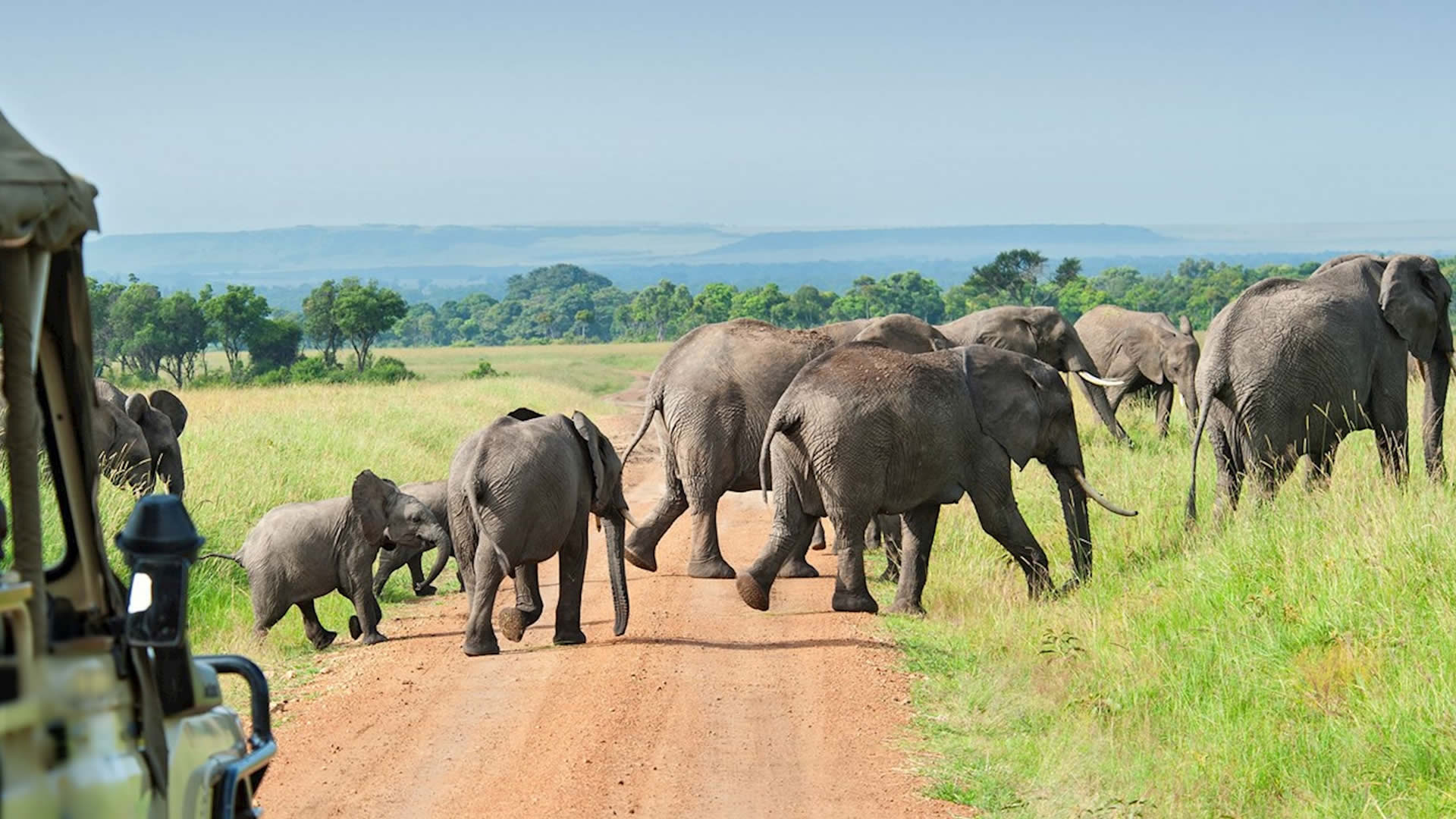
This is considered the best time for wildlife safaris.
Why it’s great:
- Animals gather around water sources
- Shorter grass makes wildlife easier to spot
- Little to no rain
- Comfortable daytime temperatures
Best parks during this period:
- Serengeti National Park
- Ngorongoro Crater
- Tarangire National Park
- Lake Manyara
This is peak season, so prices are higher and popular lodges book early.
January to March – Green Season Safari
A fantastic alternative to peak season.
Highlights:
- Wildebeest calving season (especially February)
- Thousands of baby animals
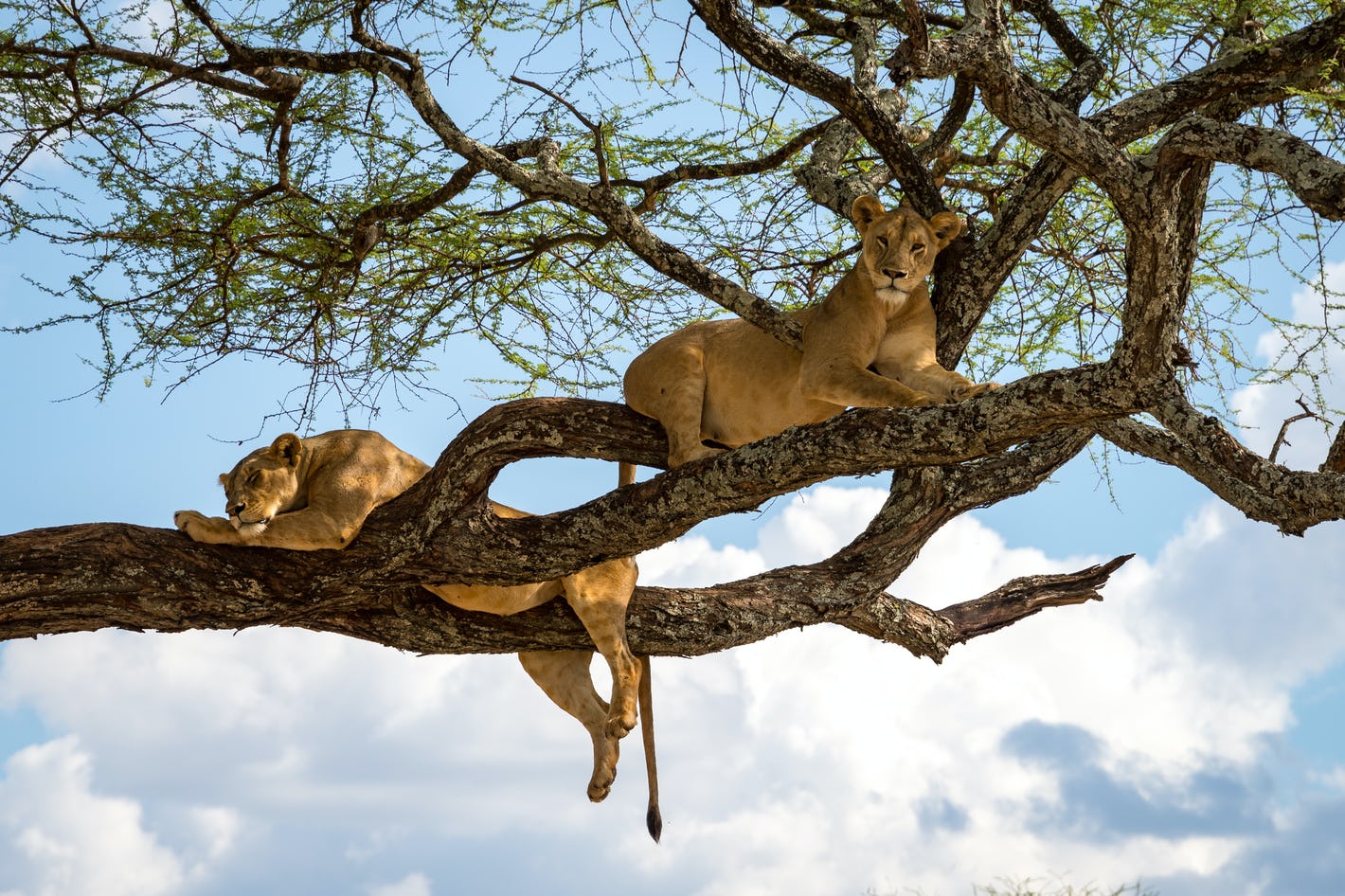
- Excellent predator activity
- Green, scenic landscapes
- Fewer tourists
Best areas:
- Southern Serengeti
- Ndutu Plains
- Ngorongoro Conservation Area
Best Time to See the Great Migration
The Great Migration happens year-round, so timing depends on what you want to see.
Calving Season: January–March
- Southern Serengeti and Ndutu
- Best for newborn wildebeest and predator action
River Crossings: July–October
- Northern Serengeti
- Dramatic Mara River crossings
- Most popular and crowded period
Best Time to Visit Zanzibar (Beach Holiday)
June to October
- Dry, sunny weather
- Lower humidity
- Ideal beach conditions
December to February
- Hot and sunny
- Perfect for swimming and snorkeling
Avoid April–May, when heavy rains may affect beach activities.
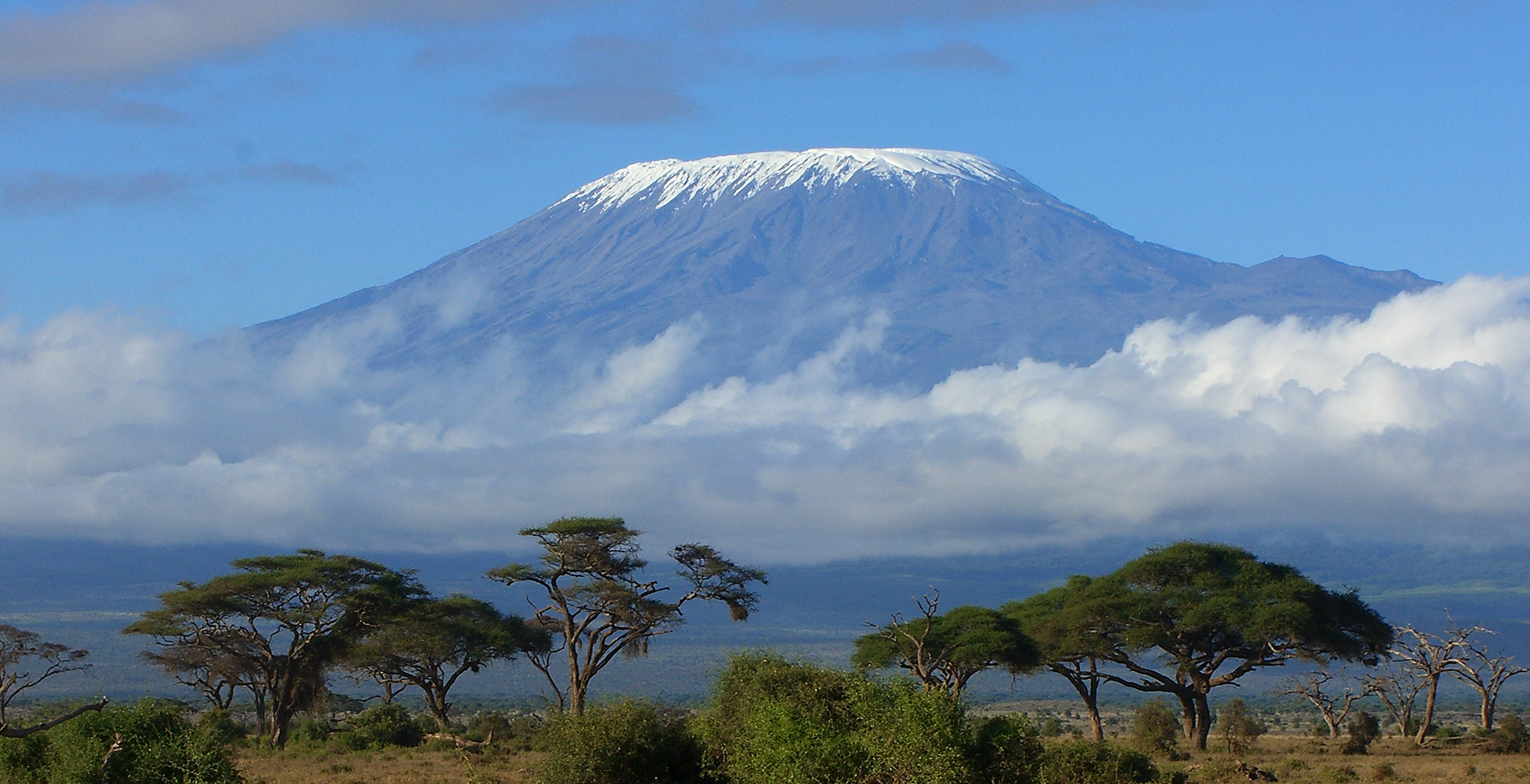
Best Time to Climb Mount Kilimanjaro
Best Months
- January to March
- June to October
Why:
- Clear skies
- Lower rainfall
- Safer trekking conditions
Avoid
- April–May (long rains)
- November (short rains and slippery trails)
Month-by-Month Overview
January – March
Green landscapes, calving season, fewer crowds, and excellent photography.
April – May
Heavy rains, lowest prices, and very quiet parks.
June – October
Best safari conditions, Great Migration river crossings, and peak season.
November
Short rains, good travel deals, and fewer crowds.
December
Festive season, great weather, and higher prices.
Best Time to Visit Tanzania by Travel Style
Families
- June–October (dry weather and school holidays)
- January–February (baby animals and fewer crowds)
Photographers
- January–March (green landscapes and dramatic skies)
- July–September (migration action)
Honeymooners
- June–October (luxury safaris and Zanzibar beaches)
- December–February (romantic beach weather)
Budget Travelers
- April–May
- November
Is There a Bad Time to Visit Tanzania?
Not really, but April and May can be challenging due to heavy rain, muddy roads, and some camp closures.
However, this period also offers:
- Fewer tourists
- Significant discounts
- Beautiful green scenery
Final Answer: When Is the Best Time to Visit Tanzania?
- Best overall: June to October
- Best for calving and fewer crowds: January to March
- Best for Great Migration crossings: July to September
- Best for beaches: June to October and December to February
- Best budget time: April–May and November
The best time to visit Tanzania depends on your travel goals—but with good planning, every month can deliver an unforgettable experience.