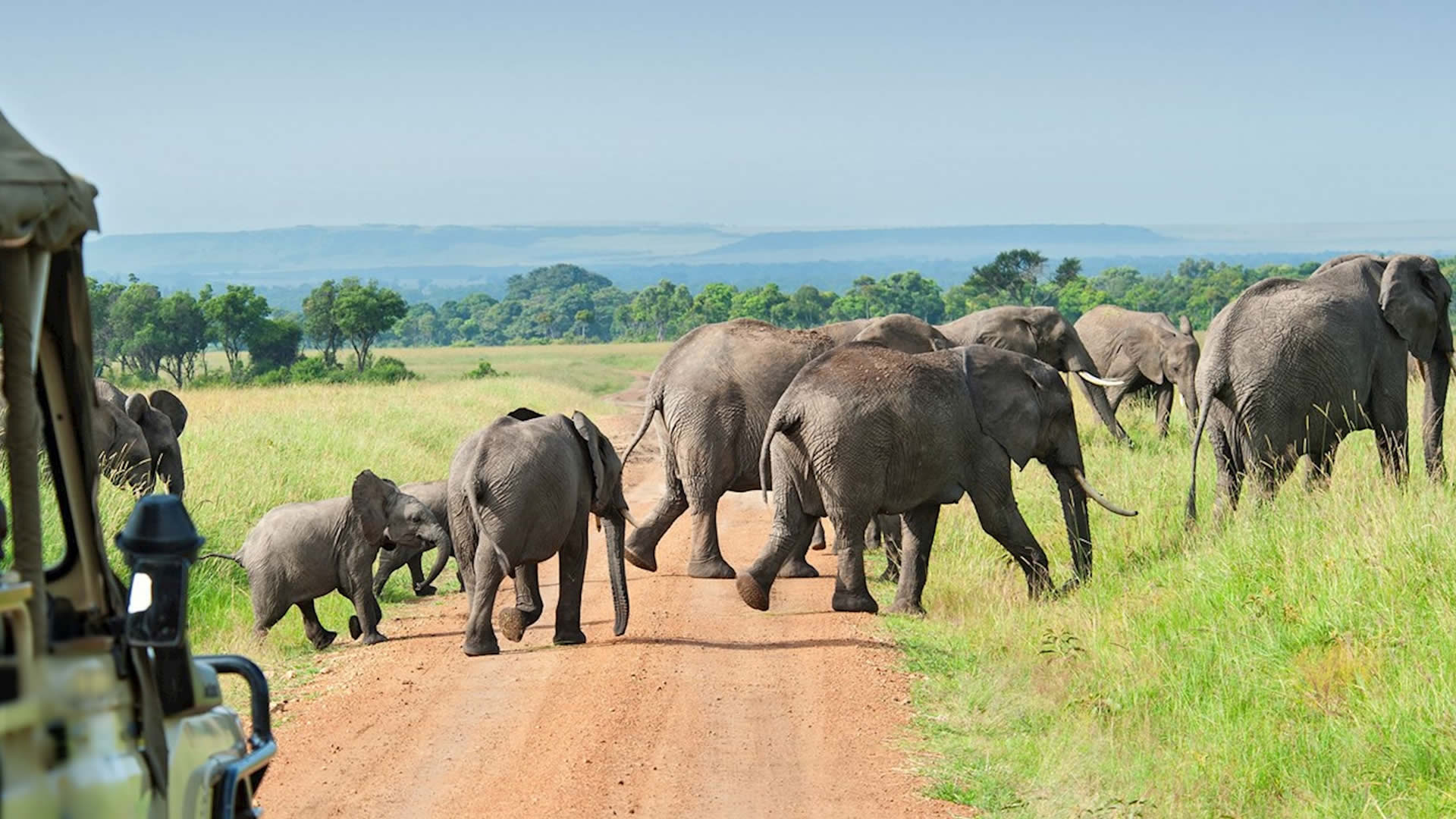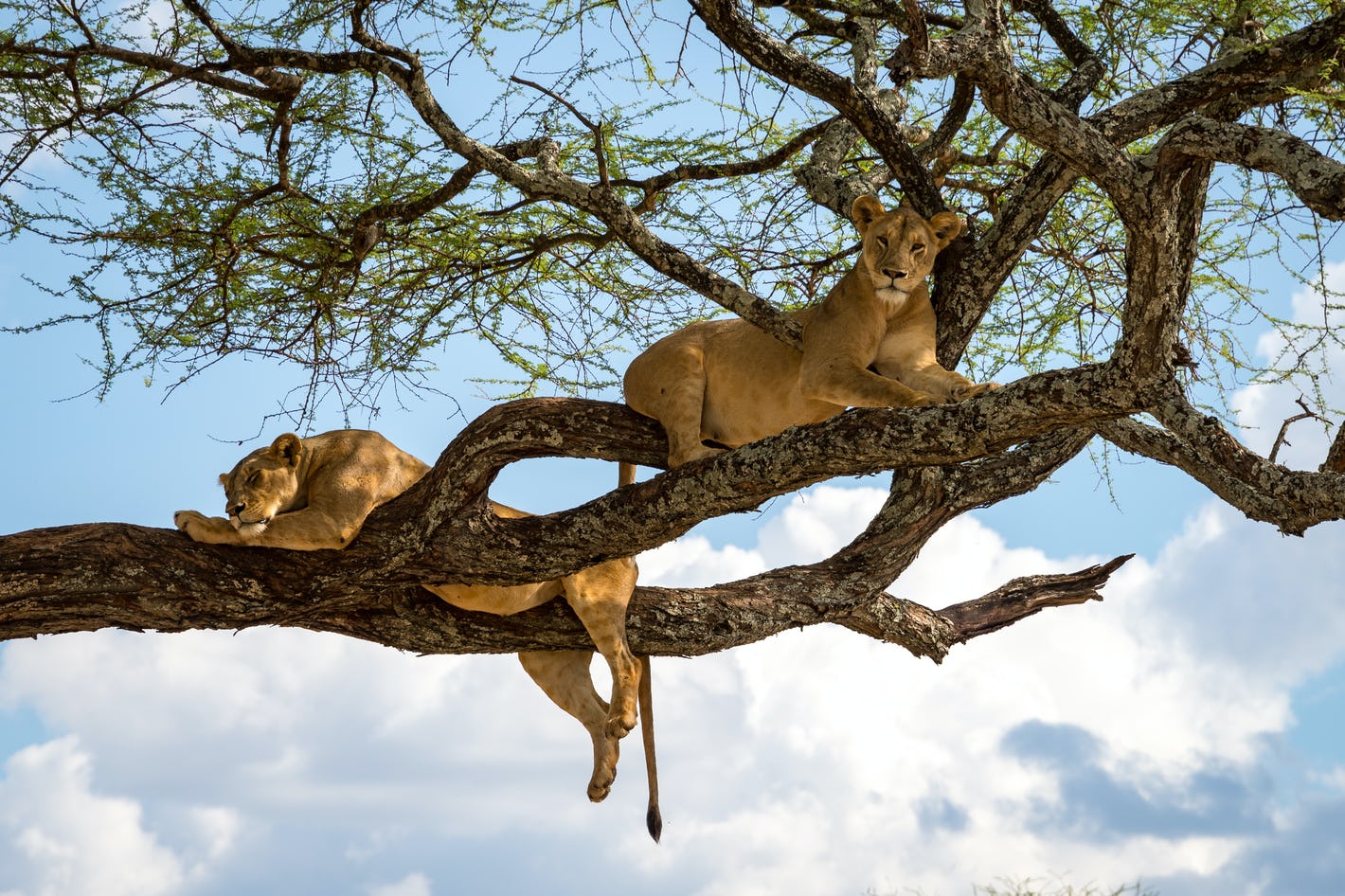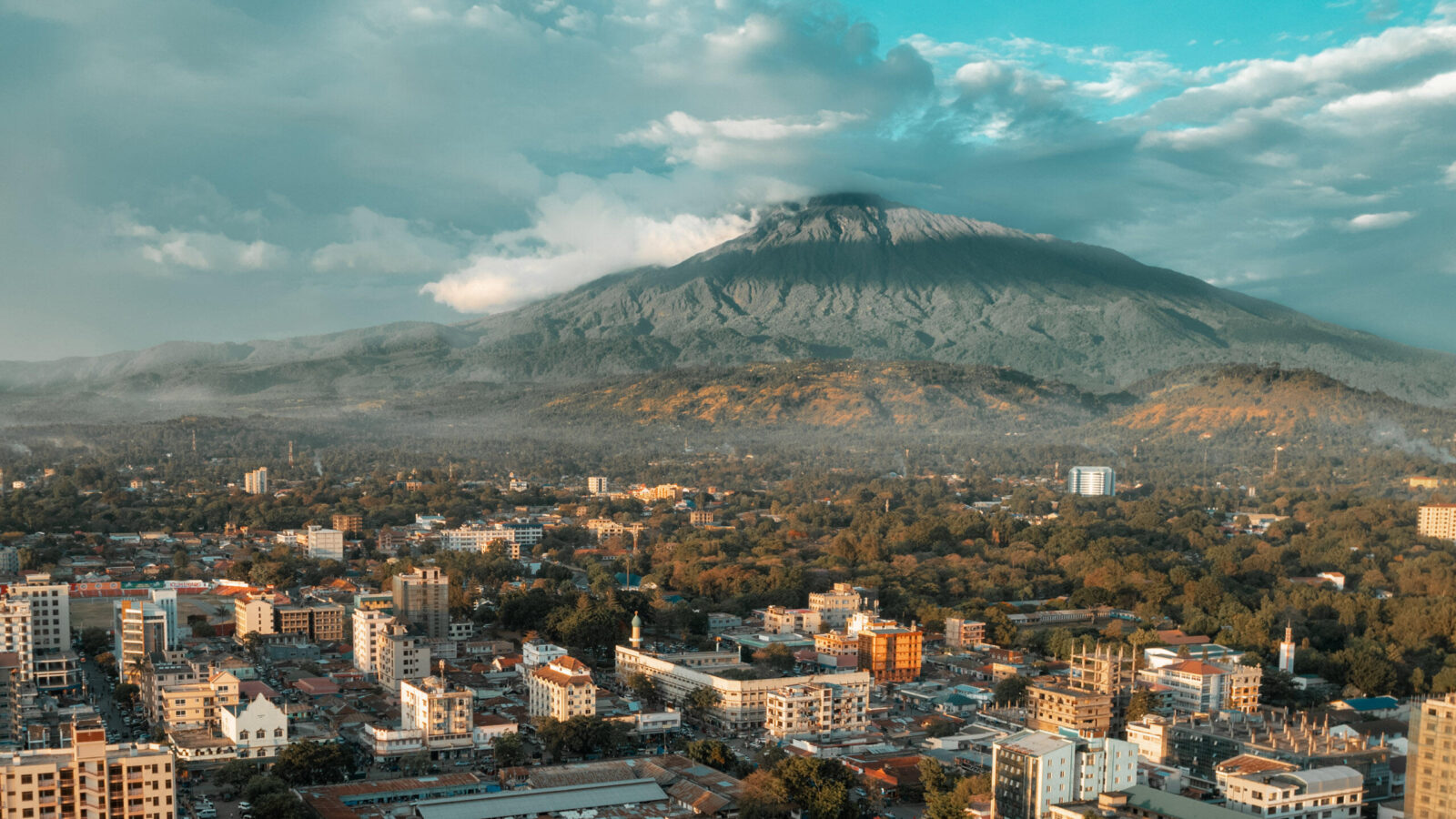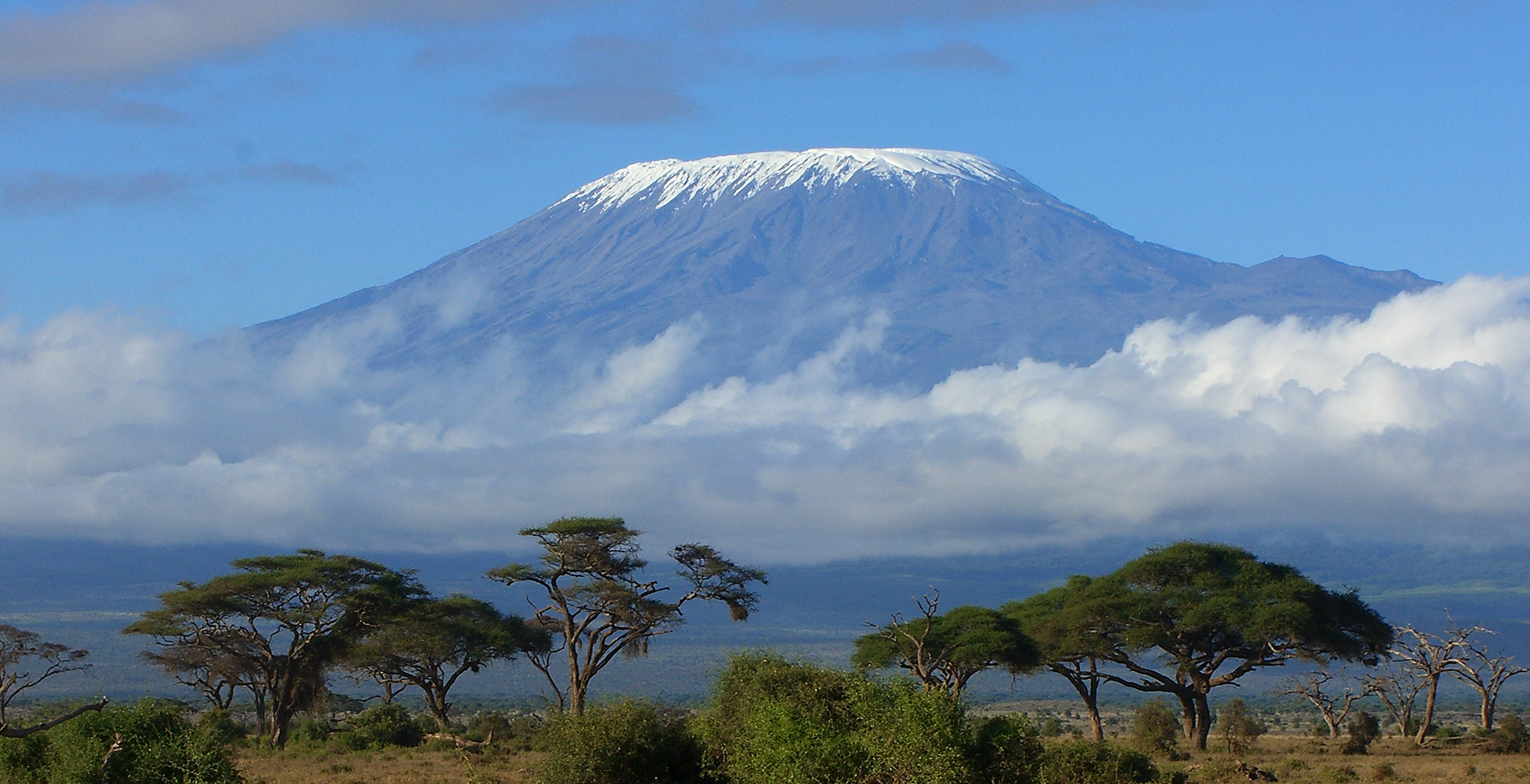

Tanzania is one of Africa’s most rewarding destinations, famous for incredible wildlife,
Mount Kilimanjaro, beautiful beaches in Zanzibar, and welcoming people.
With the right preparation, travel in Tanzania is
safe, smooth, and unforgettable.
This Tanzania travel advice guide covers
safety, health, money, transport, culture, and practical tips
to help you travel with confidence.
Is Tanzania Safe to Visit?
Yes. Tanzania is considered
one of the safest countries in East Africa,
especially for tourists.
Safety Tips:
- Use reputable safari operators and guides
- Avoid walking alone at night in cities
- Keep valuables out of sight
- Use hotel safes for passports and cash
- Be cautious in crowded areas
Tourist areas such as national parks, lodges, and Zanzibar resorts are
very secure.
Entry Requirements & Visas
- Passport valid for at least 6 months
- At least one blank page
- Visa required for most nationalities
Visa Options:
- Visa on arrival
- Online eVisa (recommended)
Check visa rules before traveling, as requirements vary by nationality.
Health & Vaccination Advice
Recommended Vaccinations:
- Routine vaccines (MMR, tetanus, etc.)
- Hepatitis A & B
- Typhoid
Yellow Fever:
- Required only if arriving from a yellow fever–risk country
Malaria:
- Tanzania is a malaria-risk country
- Take preventive medication as advised by a doctor
- Use insect repellent and mosquito nets
Travel insurance covering medical evacuation is
strongly recommended.
Best Time to Visit Tanzania
- June–October: Best overall weather and safari season
- January–March: Calving season and fewer crowds
- April–May: Rainy season (low prices, fewer tourists)
Choose your travel time based on your interests.
Money & Payments
- Currency: Tanzanian Shilling (TZS)
- US Dollars widely accepted (notes newer than 2009)
- Credit cards accepted in hotels and lodges
- Cash needed in rural areas and for tips
ATMs are available in major cities.
Getting Around Tanzania
- Domestic flights are common for safaris
- Road transfers for short distances
- Private safari vehicles are safest and most convenient
- Public transport not recommended for tourists
Always use licensed drivers and guides.
Cultural Etiquette & Local Customs
- Dress modestly in towns and villages
- Cover shoulders and knees when not on safari
- Ask permission before taking photos of people
- Greet locals politely — simple greetings go a long way
In Zanzibar and coastal areas, modest dress is especially important.
Tipping in Tanzania
Tipping is customary but not mandatory.
General Guidelines:
- Safari guide: USD 10–20 per day (group)
- Lodge staff: USD 5–10 per day
- Porters (Kilimanjaro): USD 150–250 total (per climber)
Always tip in cash.
Packing & Practical Tips
- Pack light; soft bags preferred
- Neutral-colored clothing for safaris
- Bring warm layers for early mornings
- Carry sunscreen, insect repellent, and medications
- Bring a power bank and travel adapter (Type G)
Plastic bags are restricted in Tanzania.
Internet & Communication
- SIM cards easily available (Vodacom, Airtel, Tigo)
- Wi-Fi available in hotels and lodges (can be slow)
- WhatsApp widely used for communication
Driving & Road Safety
- Driving is on the left-hand side
- Road conditions vary
- Self-driving is not recommended for first-time visitors
Private transfers and guided tours are the safest option.
Responsible & Ethical Travel
- Respect wildlife — never feed animals
- Follow park rules and guide instructions
- Support local communities and businesses
- Choose eco-friendly lodges and operators
Emergency Numbers in Tanzania
- Police: 112
- Ambulance: 112
- Fire: 114