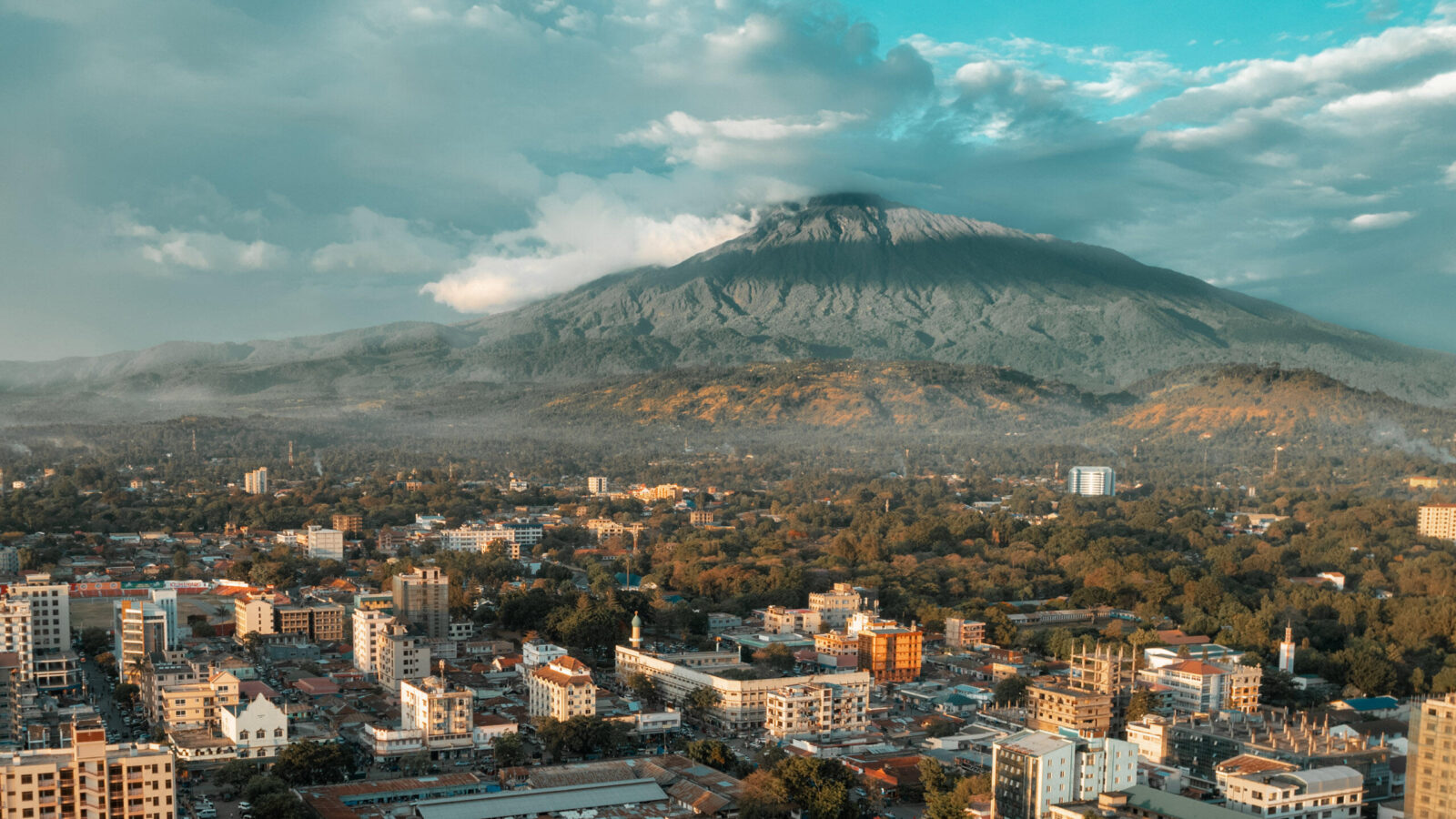

Climbing Mount Kilimanjaro, Africa’s highest peak at 5,895 meters (19,341 ft), is a dream for many adventurers. One of the most common questions people ask before booking is:
How hard is it to climb Mount Kilimanjaro? The short answer: Kilimanjaro is challenging, but it does not require technical climbing skills. The real difficulty lies in altitude, endurance, and mental strength, not ropes or mountaineering experience.
This guide breaks down exactly what makes Kilimanjaro hard—and how you can prepare for success.
Is Mount Kilimanjaro Technically Difficult?
No. Kilimanjaro is a trekking mountain, not a technical climb.
You do not need:
- Climbing ropes
- Ice axes
- Mountaineering experience
The routes are well-established trails, and climbers are supported by professional guides and porters.
However, “non-technical” does not mean easy.
What Makes Climbing Kilimanjaro Hard?
1. High Altitude (The Biggest Challenge)
The main reason people struggle is altitude sickness.
At nearly 6,000 meters:
- Oxygen levels are about 50% lower than at sea level
- Symptoms may include headache, nausea, dizziness, fatigue, and shortness of breath
Acclimatization—not fitness—is the key to reaching the summit.
2. Long Trekking Days
Most routes take 6–9 days.
You will:
- Walk 5–7 hours most days
- Walk 10–14 hours on summit day
- Trek over varied terrain (forest, rock, scree, snow)
Consistency over multiple days makes the climb demanding.
3. Cold Temperatures
Despite being in Africa, Kilimanjaro is cold—especially near the summit.
Temperatures can drop to:
- -10°C to -20°C (14°F to -4°F) on summit night
Proper clothing and layering are essential.
4. Mental Challenge
Summit night is as much mental as physical:
- Very early start (around midnight)
- Slow pace in darkness
- Extreme fatigue
- Cold and altitude combined
Staying motivated and focused is crucial.
Do You Need to Be Very Fit to Climb Kilimanjaro?
You do not need to be an athlete, but good physical fitness helps.
Ideal preparation includes:
- Regular hiking or walking
- Cardiovascular training
- Leg strength and endurance
- Ability to walk uphill for hours
Many successful climbers are:
- First-time trekkers
- Over 40 or 50 years old
- Non-athletes with proper preparation
Which Kilimanjaro Route Is the Easiest?
“Easiest” means best acclimatization, not least effort.
Best Routes for Success
- Lemosho Route (very high success rate)
- Machame Route (good acclimatization, scenic)
- Northern Circuit (longest, highest success)
Harder Routes
- Marangu Route (shorter, lower success due to poor acclimatization)
- Umbwe Route (steep and demanding)
Choosing the right route makes a huge difference.
How Hard Is Summit Day?
Summit day is the hardest part of the climb.
What to expect:
- 10–14 hours of trekking
- Steep, loose scree
- Cold, wind, and darkness
- Extremely slow pace (“pole pole”)
But reaching Uhuru Peak is one of the most rewarding moments in adventure travel.
What Are the Success Rates?
Average success rates:
- 6-day routes: 50–60%
- 7–8 day routes: 75–90%
More days = better acclimatization = higher chance of success.
Can Beginners Climb Kilimanjaro?
Yes. Kilimanjaro is often considered the best high-altitude mountain for beginners.
You can succeed if you:
- Choose a longer route
- Pace yourself slowly
- Stay hydrated
- Listen to your guide
- Train in advance
How to Make Kilimanjaro Easier
- Choose a longer route (7–9 days)
- Walk slowly (“pole pole”)
- Drink plenty of water
- Eat well
- Acclimatize properly
- Use quality gear
- Follow your guide’s advice
Common Myths About Kilimanjaro
“You need climbing experience” — False
“Only athletes can reach the summit” — False
“The hardest part is steep climbing” — False. Altitude is the biggest challenge.
So, How Hard Is It Really?
Climbing Mount Kilimanjaro is:
- Physically demanding
- Mentally challenging
- Technically straightforward
With proper preparation, a good route, and experienced guides,
most healthy people can reach the summit.