Nyerere National Park

Nyerere National Park is Tanzania’s largest national park and one of Africa’s most significant wilderness areas. It is famous for its vast landscapes, river systems, and diverse wildlife. The park was formerly part of the Selous Game Reserve.

Location

  • Country: Tanzania
  • Region: Southern Tanzania
  • Located in southeastern Tanzania
  • Part of Tanzania’s southern safari circuit

Size

  • Covers approximately 30,893 square kilometers, making it the
    largest national park in Africa

History and Name

  • Established in 2019

  • Named after Mwalimu Julius Kambarage Nyerere, Tanzania’s first
    President

  • Carved out of the northern part of the Selous Game Reserve

Landscape and Vegetation

The park features diverse ecosystems, including:

  1. Open Savannas and Grasslands

  2. Miombo Woodlands

  3. Rivers and Lakes

  4. Seasonal Floodplains and Wetlands

Major rivers:

  • Rufiji River (dominant feature)

  • Ruaha and other tributaries

Wildlife

Mammals

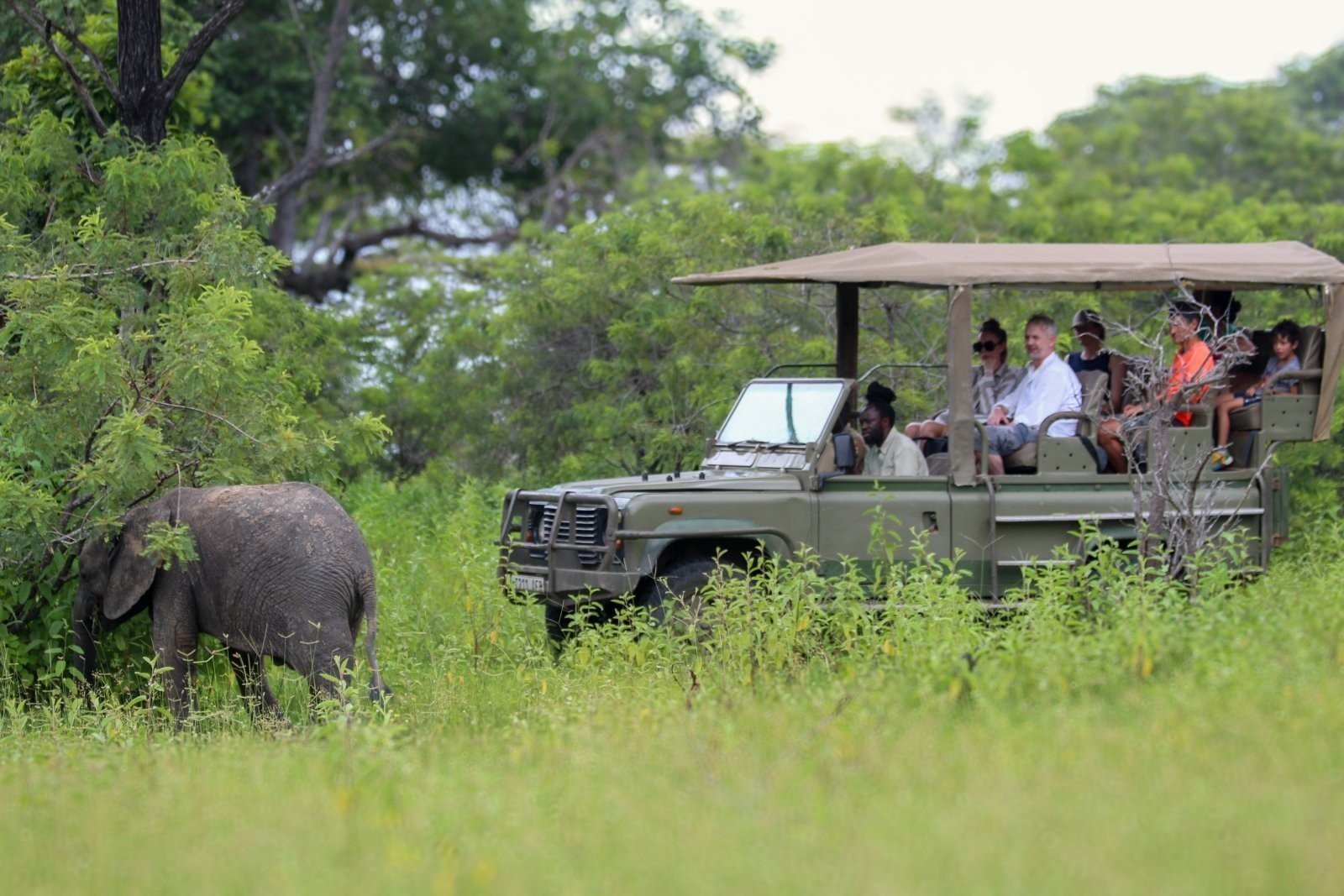
  • Elephants (one of Africa’s largest populations)

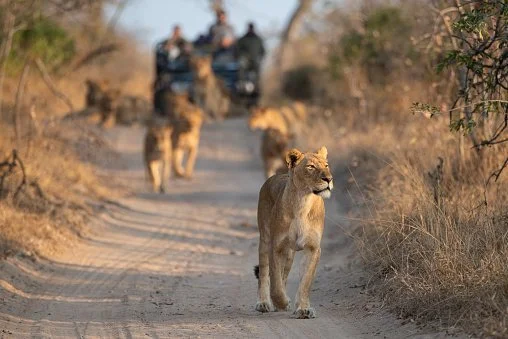
  • Lions

  • Leopards

  • African wild dogs

  • Buffaloes

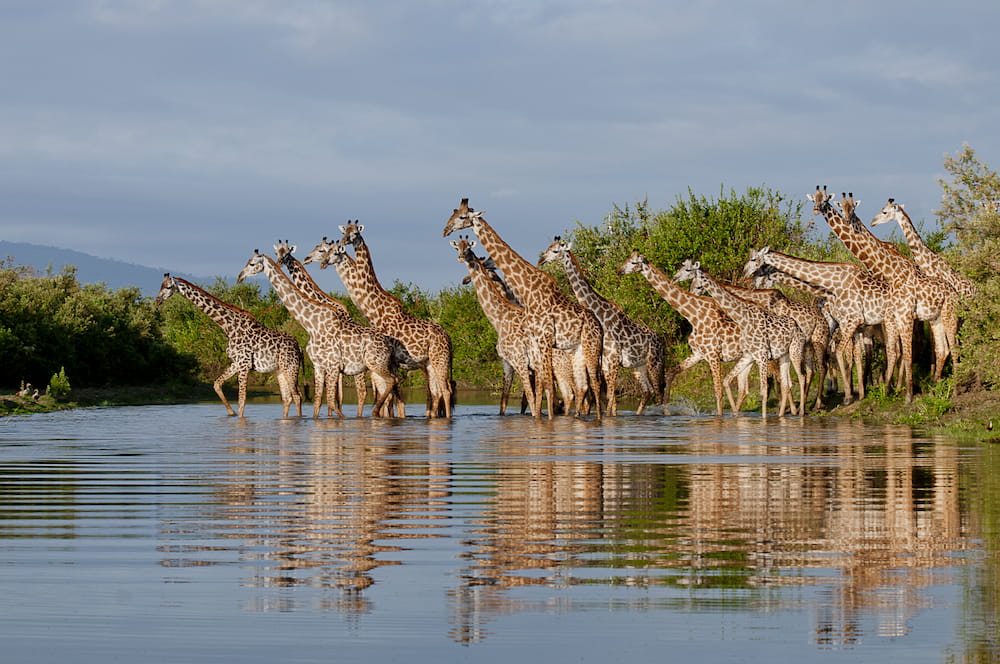
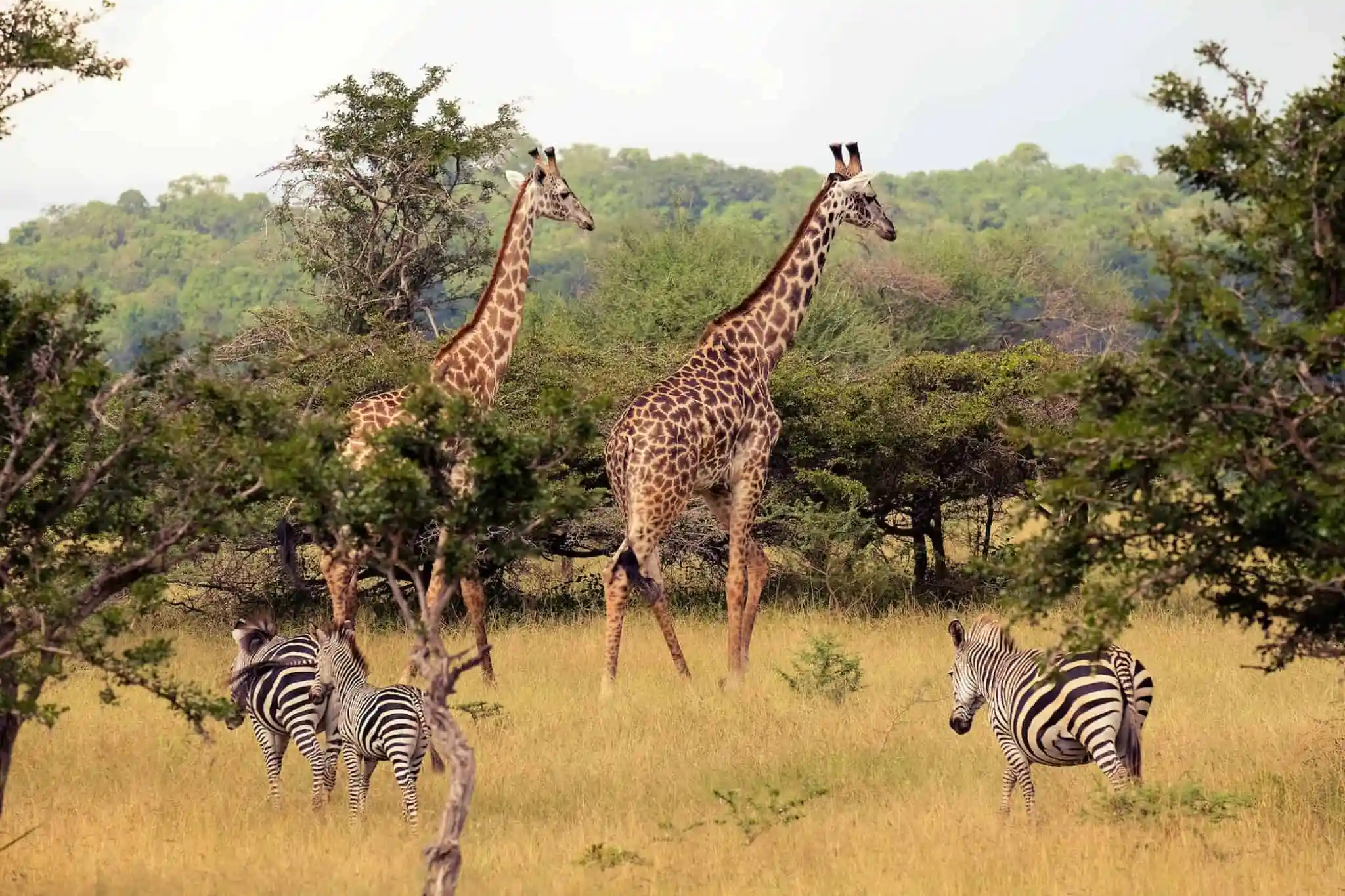
  • Giraffes

  • Zebras

  • Hippos

  • Crocodiles

Birds

  • Over 440 bird species, including:

    • Fish eagles

    • Kingfishers

    • Storks

    • Bee-eaters

Climate

  • Dry season: June–October (best time for wildlife viewing)

  • Wet season: November–May

Conservation Status

  • Part of the Selous–Nyerere ecosystem, a
    UNESCO World Heritage Site

  • Protected to conserve wildlife, rivers, and wetlands

  • Important refuge for endangered species

Tourism Activities

Nyerere National Park offers unique safari experiences, including:

  • Game drives

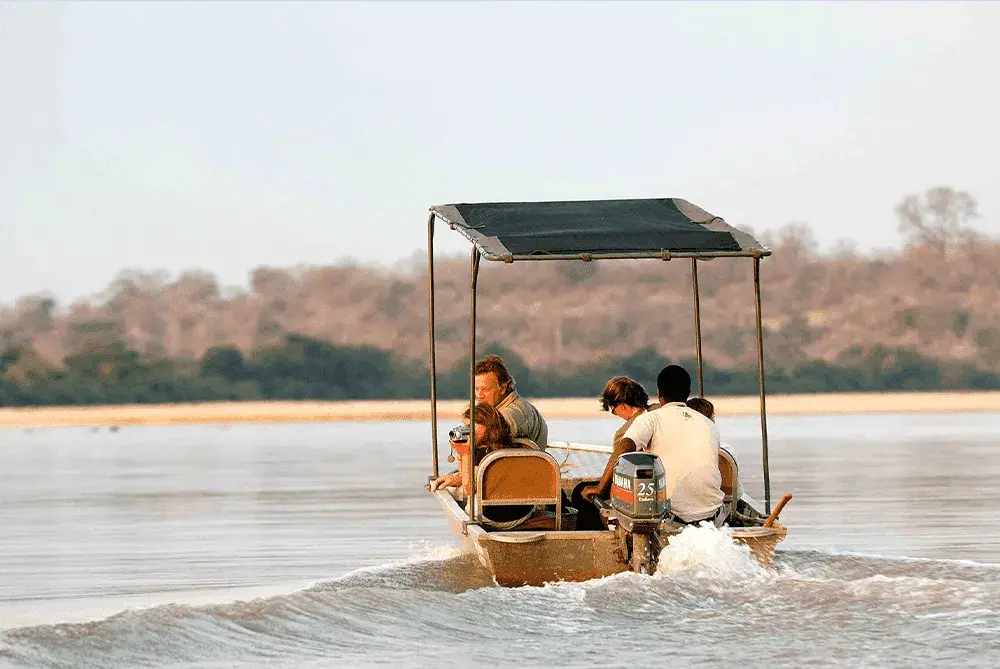
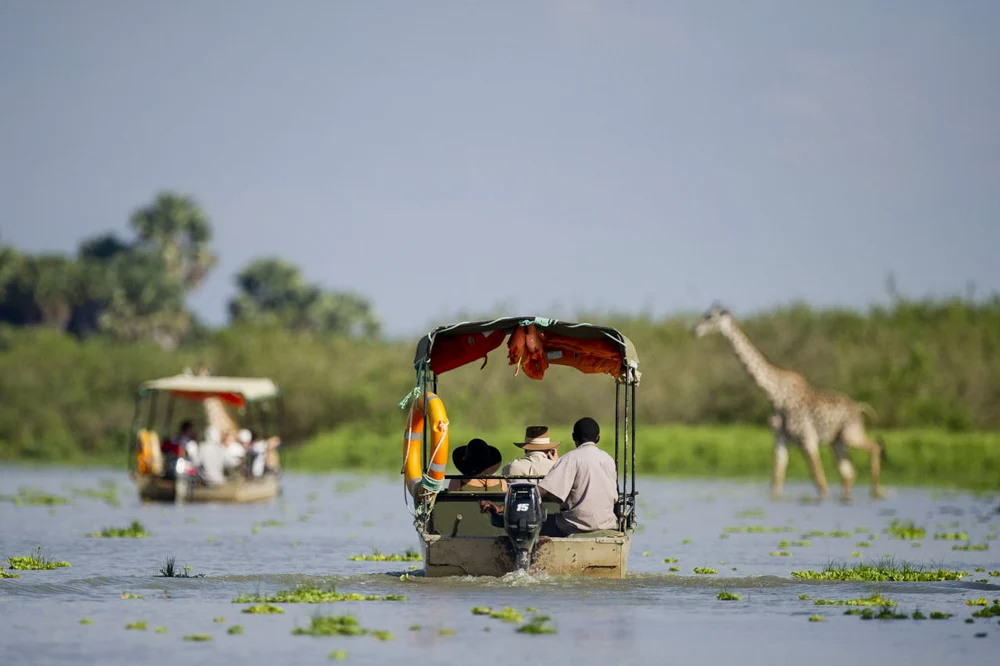
  • Boat safaris on the Rufiji River

  • Walking safaris

  • Bird watching

  • Photography

Importance

Nyerere National Park is important because it:

  • Preserves one of Africa’s largest intact ecosystems

  • Protects river and wetland habitats

  • Supports endangered wildlife

  • Promotes sustainable tourism

Fun Facts

  • Largest national park in Africa

  • One of the few parks offering boat safaris

  • Less crowded and very wild