Climbing Kilimanjaro

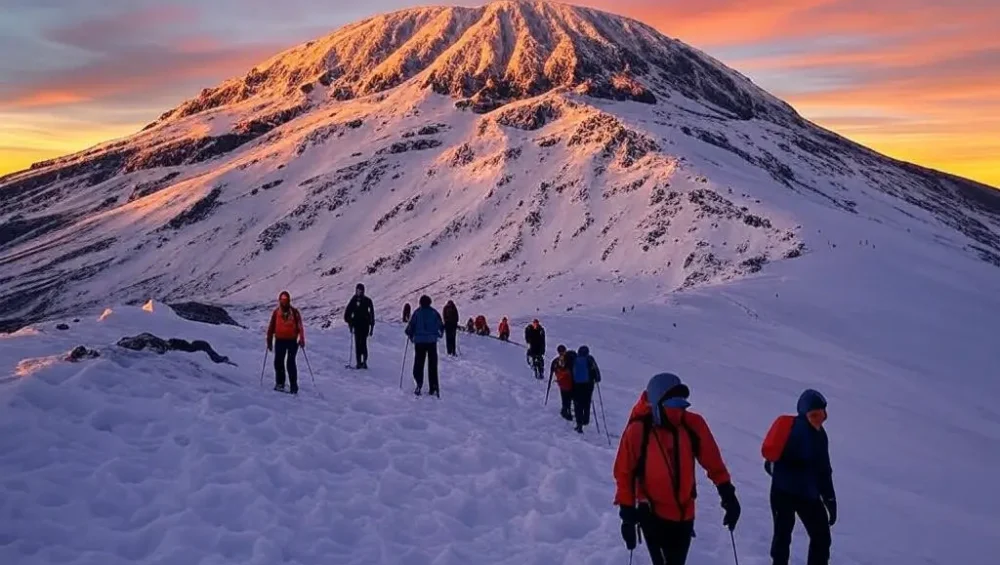
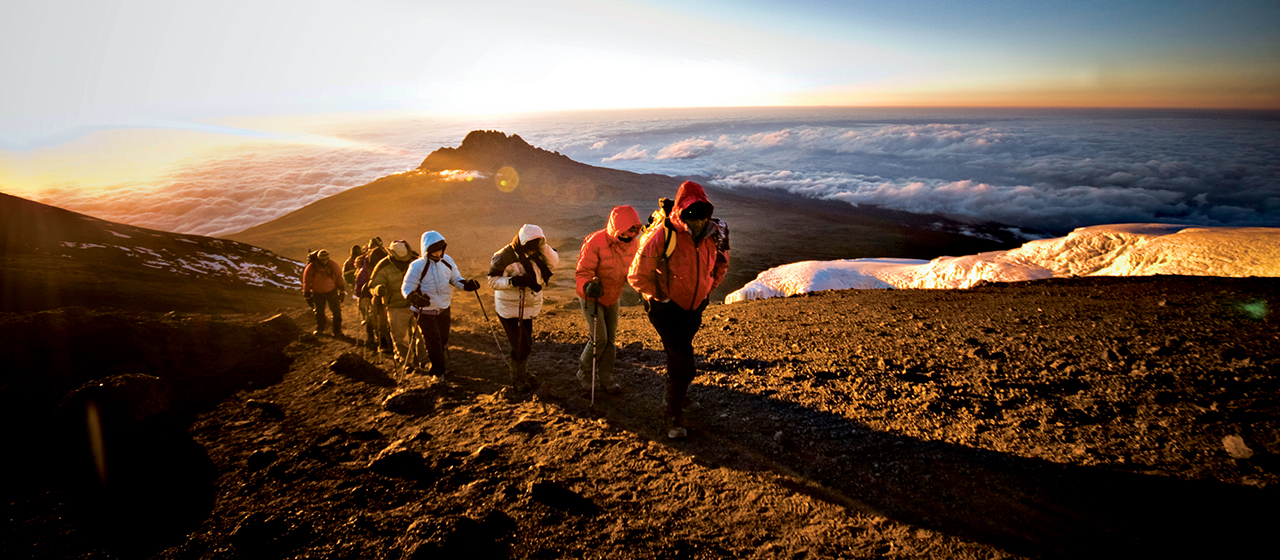
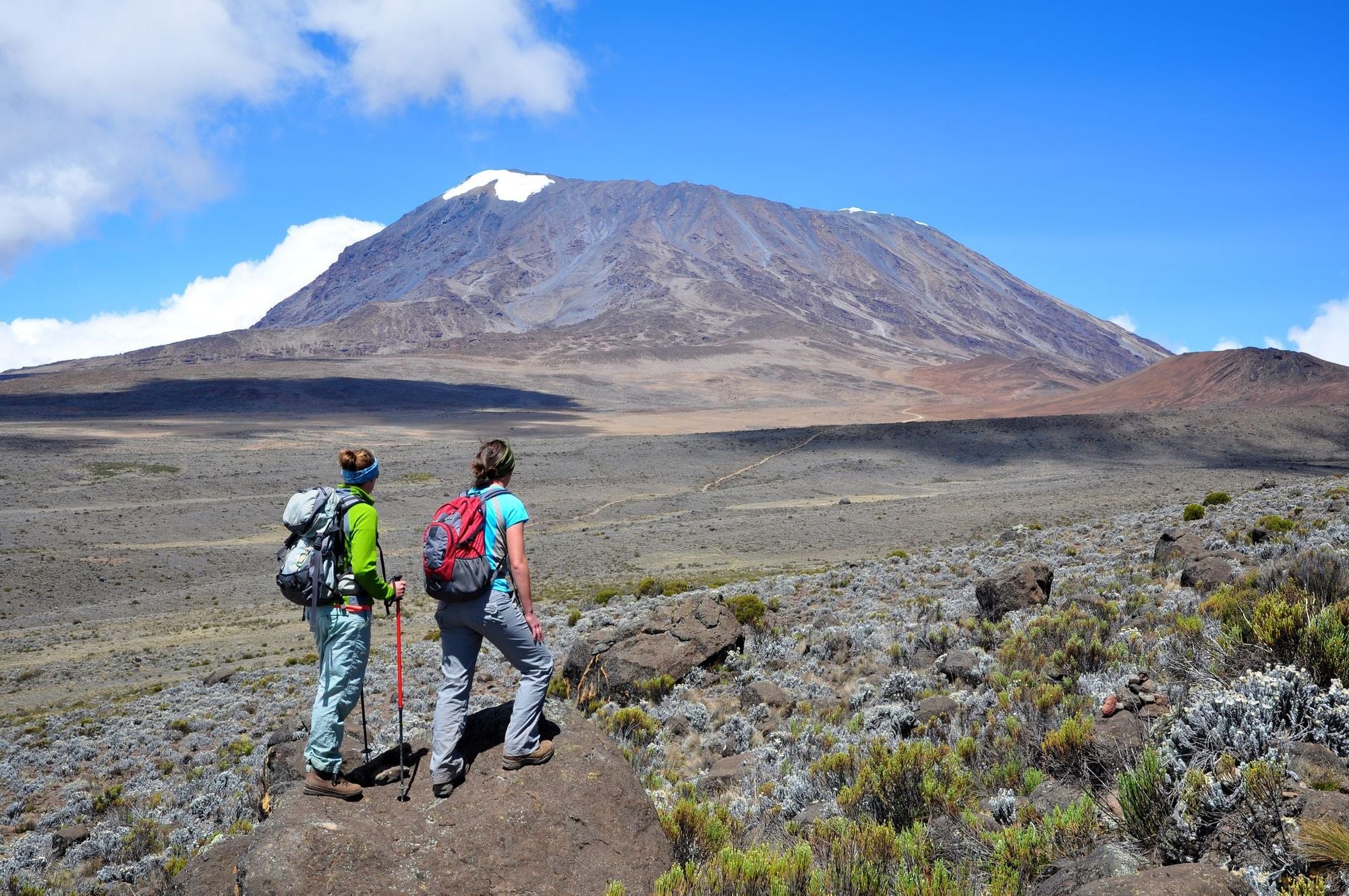
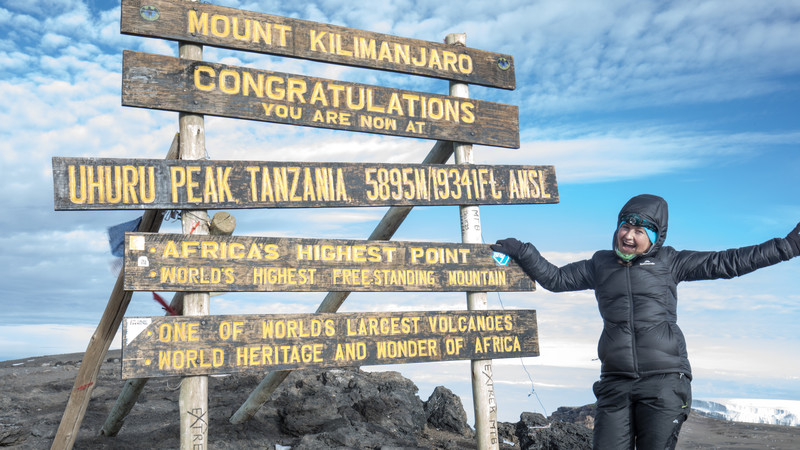
Climbing Kilimanjaro is the experience of a lifetime. Mount Kilimanjaro is the highest mountain in Africa at a staggering 5,895 metres (19,341”), and the world’s highest free-standing mountain. Though many of the mountain’s routes are not for the faint-hearted, with an experienced guide at your side, you certainly don’t need to be an experienced climber to reach its summit.

Size

  • Covers approximately 1,688 square kilometers

Major Physical Features

  • Mount Kilimanjaro (5,895 m) above sea level
  • Three volcanic cones:
    1. Kibo (highest and dormant)
    2. Mawenzi
    3. Shira

Vegetation and Ecological Zones

Kilimanjaro National Park has distinct vegetation zones based on altitude:

  1. Cultivated Farmland Zone (outside park boundary)
  2. Montane Forest – Rich in wildlife
  3. Heath and Moorland
  4. Alpine Desert
  5. Arctic Zone – Ice and glaciers at the summit

Wildlife

Mammals

  • Elephants
  • Buffaloes
  • Leopards
  • Bush pigs
  • Blue monkeys
  • Colobus monkeys

Birds

  • Over 180 bird species, including:
    • Sunbirds
    • Eagles
    • Turacos

Climate

  • Varies with altitude
  • Dry seasons:
    • January–March
    • June–October
  • Wet seasons:
    • March–May
    • November–December

Conservation and History

  • Established as a national park in 1973
  • Declared a UNESCO World Heritage Site
  • Protected to conserve mountain ecosystems and water catchments

Tourism Activities

Visitors can enjoy:

  • Mountain climbing and trekking
  • Nature walks
  • Bird watching
  • Photography

Note: Wildlife viewing is secondary to mountain trekking.

Importance

Kilimanjaro National Park is important because it:

  • Protects Africa’s highest mountain
  • Supplies water to surrounding regions
  • Preserves unique ecosystems
  • Supports tourism and national income

Fun Facts

  • Mount Kilimanjaro is visible from hundreds of kilometers away
  • Snow exists near the equator
  • One of the most climbed mountains in the world