

I’ve been watching online gambling platforms evolve for many years, DudeSpin, and the emergence of new online casinos is one of the biggest transformations I have witnessed. These are not simply brand-new sites with a new logo added. A new online casino is a freshly launched iGaming site that holds a valid gambling license, provides a curated game selection, and operates on a modern tech stack that delivers faster load times, mobile-first navigation, and up-to-date payment options. Older operators at times operate on outdated backends, but these newcomers enter the market with API-driven architectures that connect to thousands of slots, live dealer tables, and sports betting modules immediately. That translates to smoother performance, fewer crashes, and a more streamlined interface from the moment you land on the site, and they typically make user experience a priority in ways that legacy sites can only match with a complete rebuild.
The Essential Definition and Regulatory Framework
When I seek to characterize a new online casino, I go beyond the launch date and focus on regulatory compliance and operational transparency. At their foundation, these platforms work within licenses from recognized gambling regulators—Malta Gaming Authority, Curacao eGaming, or the Kahnawake Gaming Commission. A license indicates the operator complies with strict protocols for segregating player funds, anti-money laundering checks, and integrity verification via independent testing organizations like eCOGRA or iTech Labs. I’ve seen that newly launched casinos often secure their licenses more clearly than some older brands did at the start, mainly because modern regulators require detailed business plans, proof of software integrity, and clear responsible gambling structures before granting approval. So when you sign up at a new platform, you’re engaging with a business vetted from a structural and financial perspective under today’s regulatory norms—standards that are much tighter than those from a decade ago.
The Sign-Up and Verification Process
Opening an account with a fresh casino platform is standardized but smoother than you might expect, based on what I’ve documented across many platforms. Begin by submitting an active email address, selecting a username, and creating a strong password. Once you verify the email, the casino requires private data—complete legal name, birth date, physical address, contact number. These fields aren’t random; they support compulsory identity verification procedures that licensed casinos are required to finish prior to any payout. Fresh platforms have improved this by implementing digital ID verification tools that verifies your paperwork against authoritative records in less than two minutes, while traditional platforms may require 24 hours for a manual look. My advice is having an official photo identification and a current bill handy—sending them right away expedites total profile approval and eliminates cash-out restrictions linked to unverified status.
- Enter your email address and create a password of at least twelve characters.
- Verify your email address via the immediate confirmation link.
- Enter your personal details exactly as they appear on your document.
- Upload a photo ID and a residency proof document before making a deposit.
- Establish funding restrictions and responsible play settings when asked.
Player Safety Tools and User Security
Fresh gaming platforms come with responsible gambling tools built into the platform’s architecture, not retrofitted, and that makes a real difference. During registration, you’ll see obligatory notices to set daily, weekly, or monthly deposit caps that can’t be increased without a cooling-off period. Self-exclusion lets you block account access for anywhere from six months to five years, and the system automatically carries that restriction over to sister brands. I’ve noticed that reality check nudges—showing session duration and spending summaries at set intervals—are activated by default at many new platforms, while older casinos often tuck them away in settings. Session timeouts, loss limits, and the option to take a temporary break without full self-exclusion complete a toolkit that allows you to make informed decisions, and new casinos highlight these features prominently because regulators increasingly demand it.
- Set a deposit limit that matches your entertainment budget before you play.
- Enable session reminders every thirty or sixty minutes to remain mindful.
- Utilize the reality check to see how much time you’ve spent and your net position at each alert.
- Take a break for 24 to 72 hours if emotions start driving your decisions.
- Contact support right away to activate self-exclusion if you feel control fading.
In what manner Modern Game Libraries Are Built and Supplied
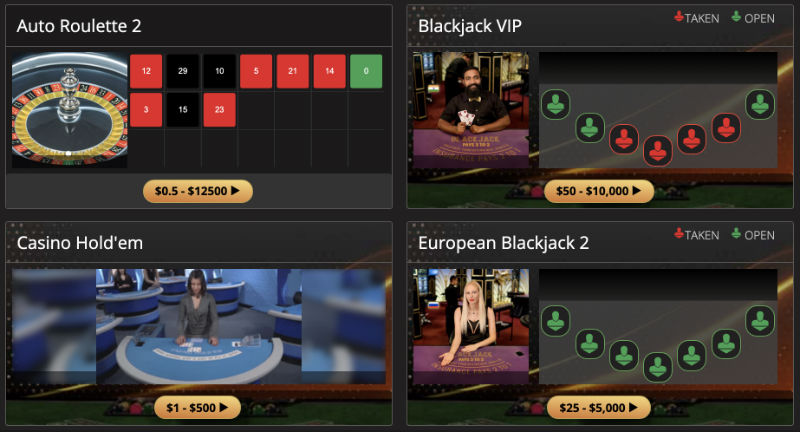
Game selection at a modern online casino is hardly ever an afterthought. I’ve watched modern operators assemble their libraries by integrating with aggregator platforms that give them access to thousands of releases from dozens of studios through a unified integration. That reduces time-to-market while keeping the catalog extensive. These platforms include slots with mechanics like Megaways, cluster pays, and networked progressive jackpots, plus classic table games—blackjack, roulette, baccarat. What sets new casinos apart is the instant availability of live dealer experiences broadcasted from professional studios with real croupiers, multiple camera angles, and interactive chat that provides a land-based feel right to your screen. Providers like Evolution, Pragmatic Play, and Playtech supply these streams, and new casinos often choose their latest studio releases, so players often encounter game show-style formats and VIP table variants before they become common elsewhere.
Immediate Play and Mobile Optimization
The defining trait of new online casinos is eliminating downloadable software completely for HTML5 instant play. I’ve evaluated hundreds of sites, and the difference between a modern HTML5 portal and an old Flash or downloadable client is huge. These platforms render games right in the browser on any device, adjusting to screen size without losing graphics quality or touch responsiveness. New casinos build the whole experience around mobile-first design because internal data reliably shows over sixty percent of traffic now comes from phones and tablets. That means thumb-friendly navigation menus, game tiles that reorganize on the fly, and a cashier that functions without a hitch on a five-inch screen. In my analysis, a new casino without flawless mobile browser performance lags behind—players expect instant access, no app store hassles or compatibility workarounds that impede earlier mobile gambling.
Cryptocurrency and Fiat Payment Integration
Payment systems at newer internet casinos mirror wider fintech changes. I observe a clear move toward integrated payment platforms that handle traditional fiat—Visa, Mastercard, wire transfers—alongside cryptocurrencies like Bitcoin, Ethereum, and stablecoins such as USDT. New platforms often integrate external transaction services that support immediate deposits and withdrawals handled in hours, rather than the three-to-five business days older casinos still require. Online wallets like Skrill and Neteller remain popular, but novel solutions like MuchBetter, Jeton, and different local instant banking options are equally common. From my view observing payment speeds, the most remarkable new gambling sites manage crypto cashouts via automation through smart contracts, removing manual approval queues completely. They additionally display visible payment statuses so you are able to follow your funds in real time without requiring support inquiries.
Protection Systems and Data Protection
I’ll be blunt: fully regulated new online casinos shine in security. Every bit of communication between your browser and the casino platform is encrypted with TLS (Transport Layer Security) using 256-bit keys—the same standard international banks use for online transactions. Personal data sits on isolated servers in secure data centers, behind intrusion detection software, layers of firewalls, and routine vulnerability scans by outside cybersecurity providers. Two-factor authentication is now a standard option during sign-up, not something tucked away in settings, and I strongly advise turning it on to tie your account to a physical device. New casinos also set session management to auto-logout idle users after a set time, preventing unauthorized access on shared or public computers.
Promotion setups and Wagering Mechanics
Fresh online casinos battle for customers with welcome packages that I often find larger than those established brands offer loyal players. A usual first-deposit bonus pairs your initial deposit 100% up to a set amount, typically with free spins on chosen slots thrown in. The essential factor that reveals if a bonus has true value is the wagering requirement—the number of times you must wager the bonus amount before it becomes withdrawable cash. I always tell players to review the terms for game contribution percentages: slots typically contribute 100%, while table games and live dealer play frequently count at reduced rates or not at all. Newer casinos usually structure bonuses with clearer timelines and smaller max withdrawal limits relative to the tangled promotions that were common five years ago. Many also now include a “no wagering” free spins component, indicating you hold onto anything you win from those spins immediately.
Loyalty and VIP Program Design
After the welcome bonus, I have observed new casinos build retention around tiered loyalty programs that compensate frequent play using points you can convert to bonus credits or money. These systems track everything in real time using dashboards in your account area, displaying progress toward the next level and mentioning perks such as faster withdrawals, a personal account manager, and exclusive tournament invites. The more sophisticated programs integrate gamification—missions, leaderboards, collectible items—that provides entertainment apart from the gambling itself. Fresh casinos lean on these mechanics because player acquisition costs are steep, and keeping players through meaningful rewards provides much better lifetime value than rotating through one-time depositors with unviable bonus promotions.
Fair Gaming and Number Randomness
Winning sequences at new online casinos depend on certified random number generators (RNGs) that face regular independent audits. I’ve read technical certification reports from labs like GLI and iTech Labs, and they confirm that modern slot algorithms produce unpredictable sequences that are not manipulated by player or operator without leaving cryptographic evidence of tampering. Live dealer games provide an extra dimension: you can watch a real dealer deal cards or spin a roulette wheel in real time, no software middleman. New casinos openly publish return-to-player (RTP) percentages for their game libraries—usually 95% to 97% for slots—providing players a clear view of the statistical house edge. Provably fair systems, born in the crypto gambling world, are now emerging at mainstream new casinos, enabling you to verify each bet’s fairness independently through cryptographic hash verification.
Support Services Infrastructure and Support Options
New online casinos invest a lot of resources into customer support because they understand that unresolved problems quickly result in bad reviews, which can hinder growth during the launch phase. 24/7 live chat with responses under thirty seconds is now the baseline, and email ticketing manages more complex queries within hours. I’ve assessed support firsthand by sending verification and withdrawal questions at different times; well-funded new casinos have multilingual agents who can access your account securely and give you definite resolution times, not just generic reassurance. A growing number also use AI chatbots as the primary touch, handling password resets and bonus questions instantly and passing tougher issues to human agents with full chat history so there’s no repetition.
FAQ
What signs indicate a new online casino is genuine and safe?
A reputable new casino shows its license number plainly in the footer, typically from the Malta Gaming Authority, Curacao eGaming, or a similar recognized body. I always cross-check that number against the regulator’s public register. A padlock icon for SSL encryption, audited fairness certificates from eCOGRA or iTech Labs, and clear bonus terms all point to a safe operation.
In what way do new online casinos process withdrawals so quickly compared to older sites?
New casinos build their payment systems on modern orchestration layers that hook directly into processor APIs, avoiding the manual approval queues old backends require. Automated ID checks clear KYC in minutes, and crypto withdrawals run through smart contracts with no human intervention. That stack eradicates the multi-day wait typical of traditional casino payouts.
Why do new online casinos offer larger welcome bonuses than established brands?
https://www.thestar.com/news/world/united-states/numbers-game-missouri-couple-wins-2nd-big-lottery-prize/article_b1194aec-781f-5517-92d4-d0a031762193.html New casinos have aggressive acquisition budgets because entering a saturated market means they need strong incentives to conquer the trust older brands already have. They can present bigger matched deposits and free spin bundles during launch, but I always check the wagering requirements behind those offers before claiming them—the headline figure alone can be misleading.
Are live dealer games at new online casinos truly live and not pre-recorded?
Indeed, live dealer games transmit in real time from purpose-built studios with expert croupiers dealing physical cards and turning real roulette wheels. You can validate this by speaking with the dealers and watching them respond in real time. Multiple camera angles show the same scene from different viewpoints, and rounds adhere to natural timing—no looped patterns.
Which crypto choices do most new online casinos accept?

I typically see Bitcoin, Ethereum, Litecoin, and Tether as the core crypto options at new casinos, with more now including Bitcoin Cash, Dogecoin, and Ripple. Some platforms function entirely on crypto rails, while hybrid casinos allow you add in cryptocurrency but auto-convert your balance to fiat for gameplay, so your session value stays stable.
How do I test a new online casino without committing real money first?
Almost all new casinos give demo versions of their slot games that operate in the browser without registration, using play money with no real value. Some also give no-deposit bonuses—a small amount of bonus funds or free spins just for confirming your email and phone—so you can test the platform risk-free before depositing.
Do new online casinos share my personal information with third parties?
Licensed casinos can’t legally share your personal data without your explicit consent, except for necessary operations like identity verification and payment processing. I always advise reading the privacy policy before you sign up; it spells out exactly which third parties touch your data. Reliable operators use secure data storage and never sell customer info to marketing affiliates or unauthorized partners.