Ruaha National Park

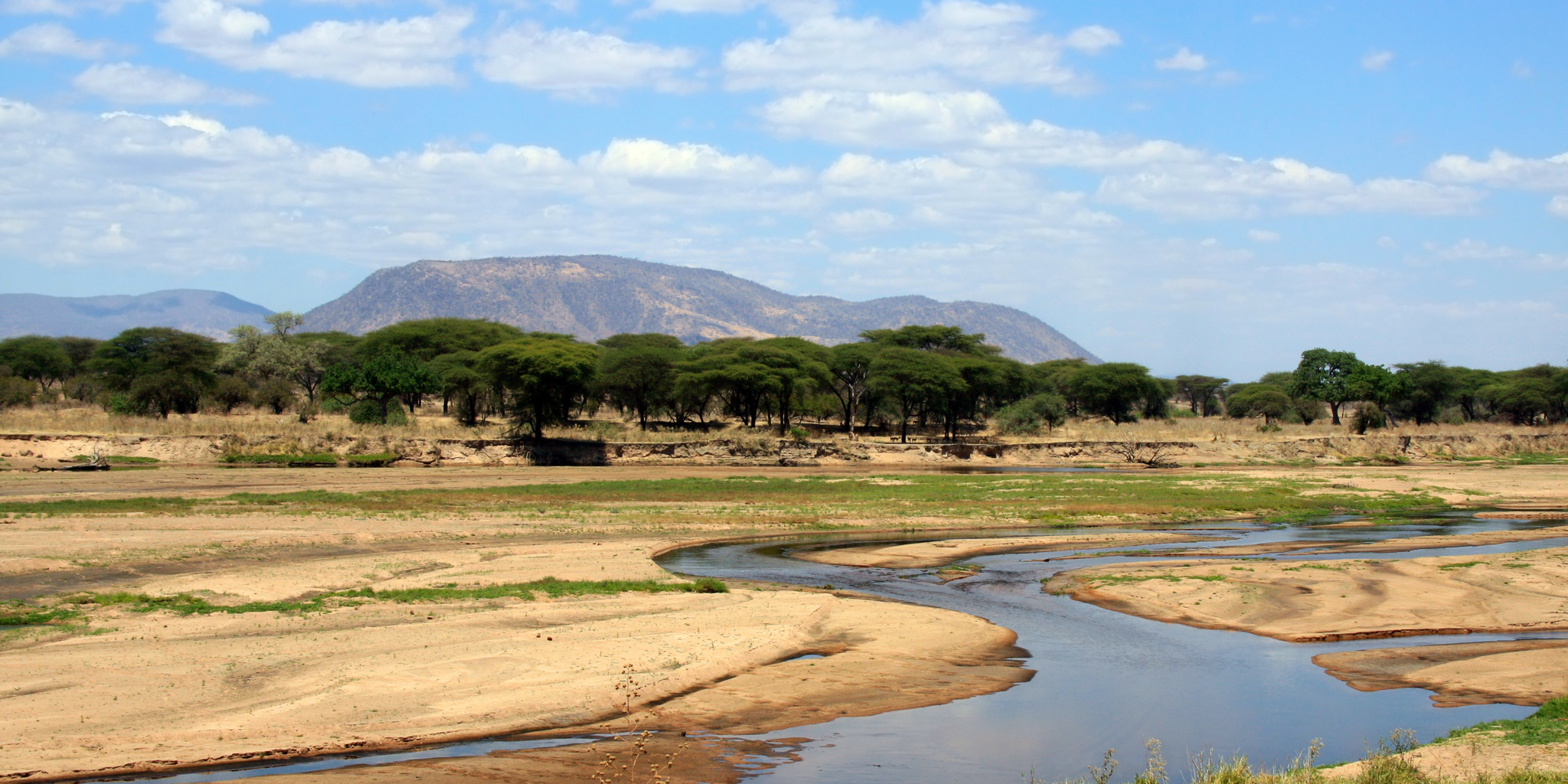
Ruaha National Park is Tanzania’s largest national park and one of Africa’s most remote and wild conservation areas. It is famous for its rugged landscapes, the Ruaha River, and large populations of elephants and predators.

Location

  • Country: Tanzania
  • Region: Central–southern Tanzania
  • About 130 km west of Iringa town
  • Part of Tanzania’s southern safari circuit
Size

  • Covers approximately 20,226 square kilometers

Origin of the Name

  • Named after the Great Ruaha River
  • The word Ruaha comes from a Hehe word meaning “river”

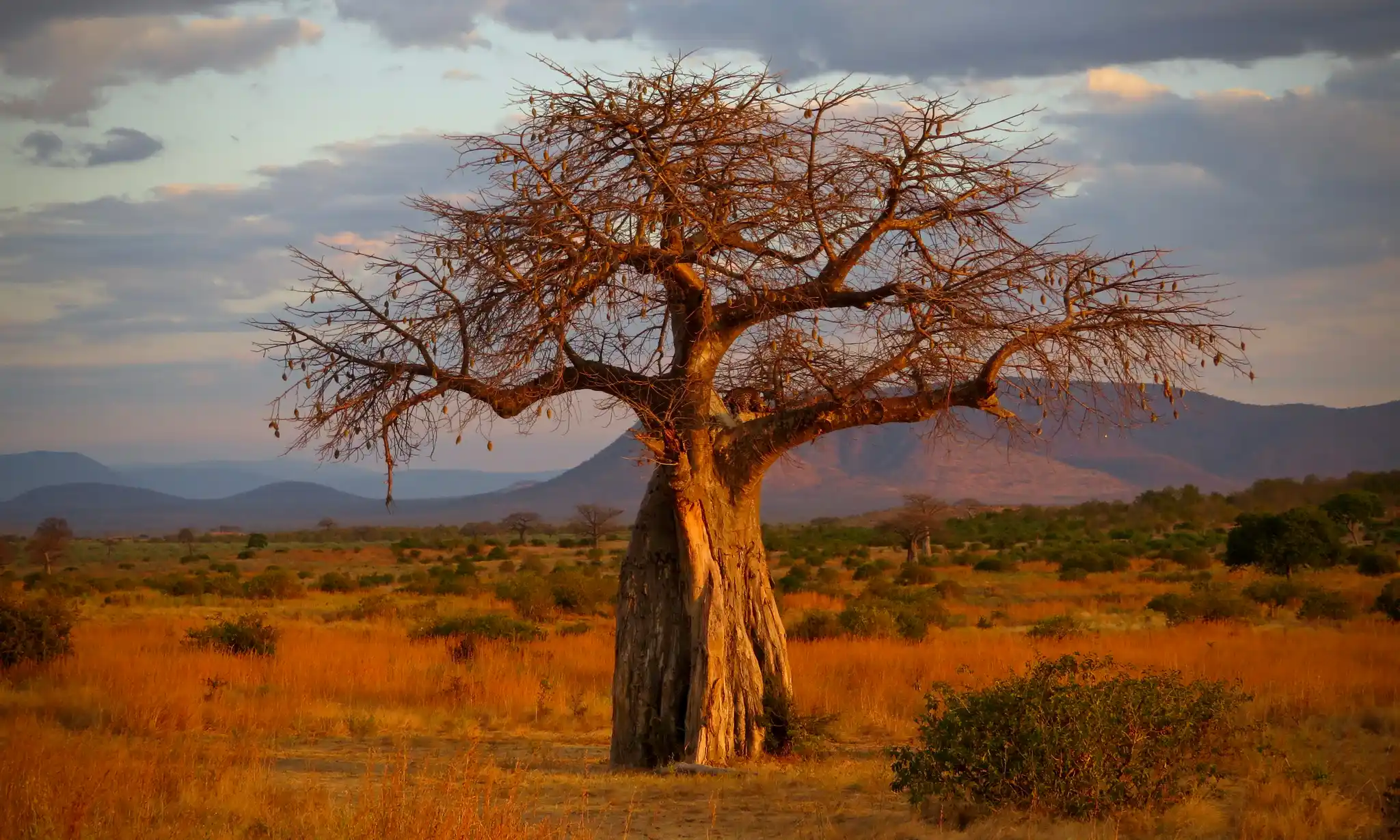
Landscape and Vegetation

Ruaha has diverse and dramatic scenery, including:

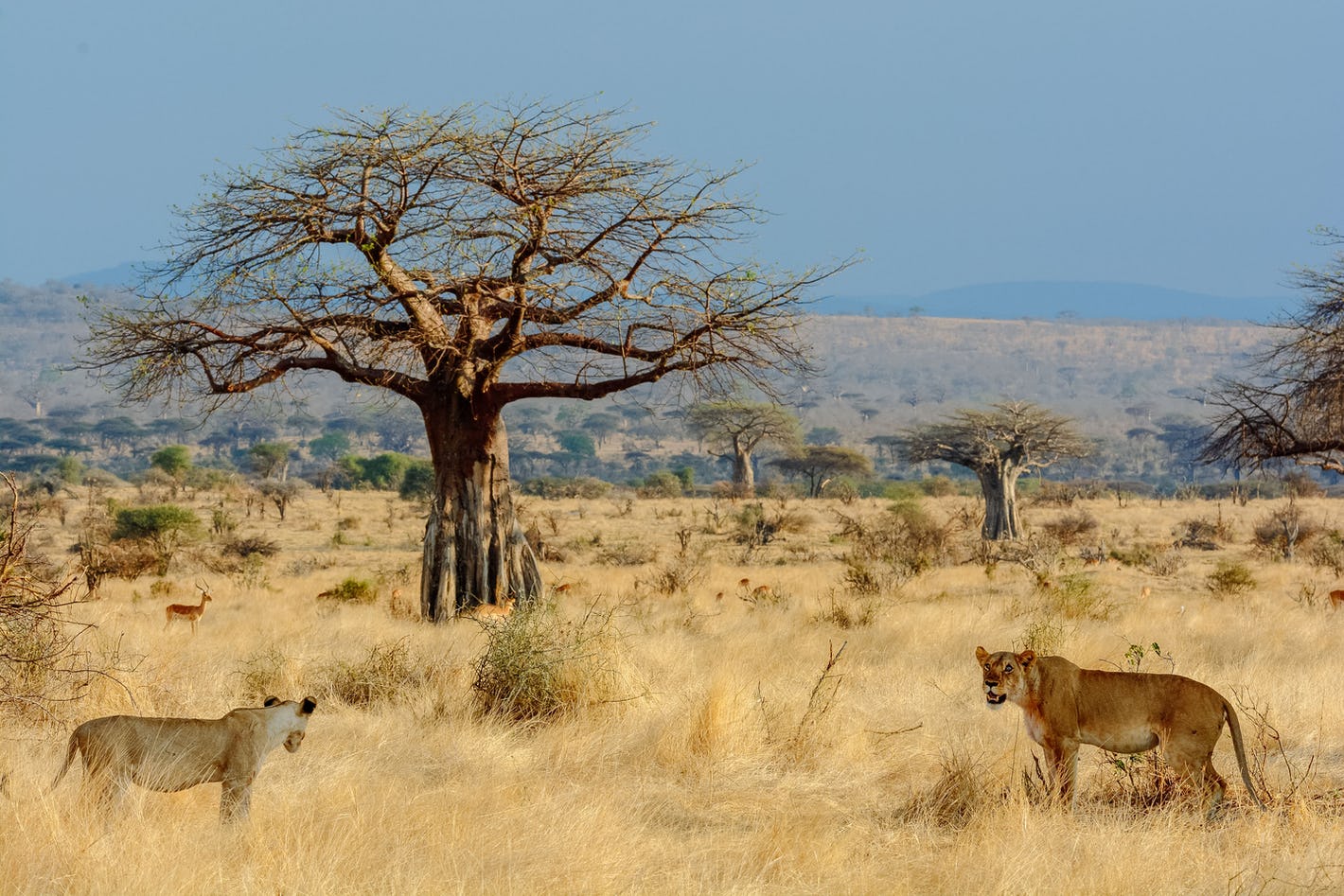
  1. Savanna Grasslands
  2. Miombo Woodlands
  3. Rocky Hills and Escarpments
  4. River Valleys and Gorges

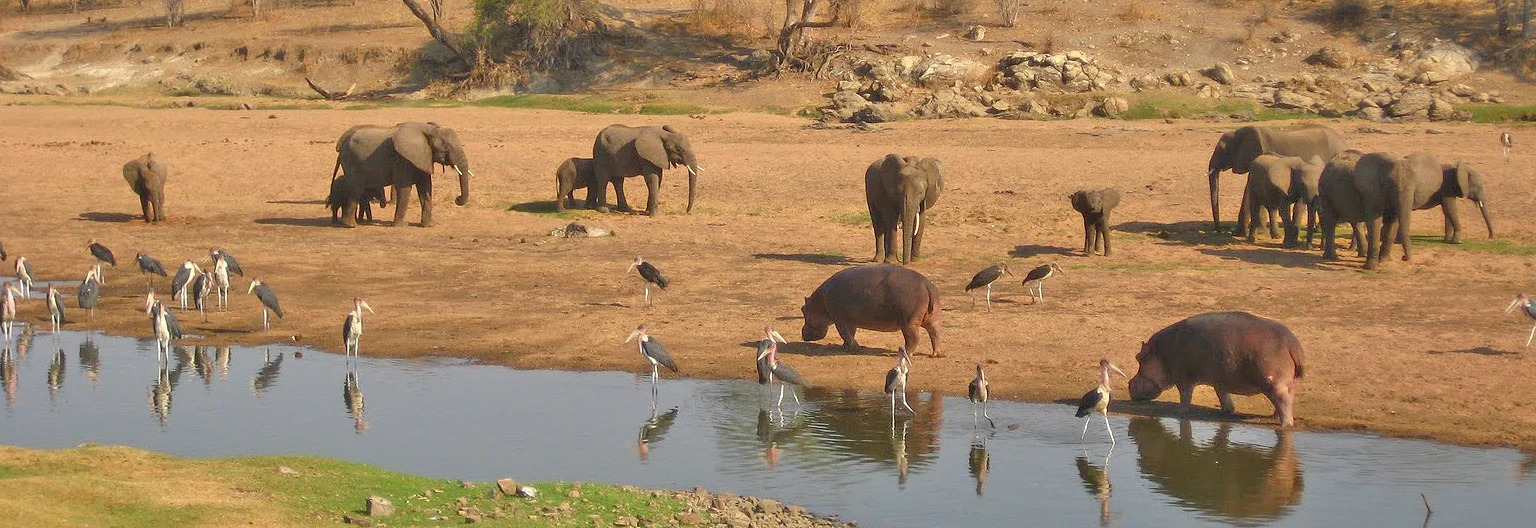
The Great Ruaha River is the park’s lifeline, especially during
the dry season.

Wildlife

Mammals

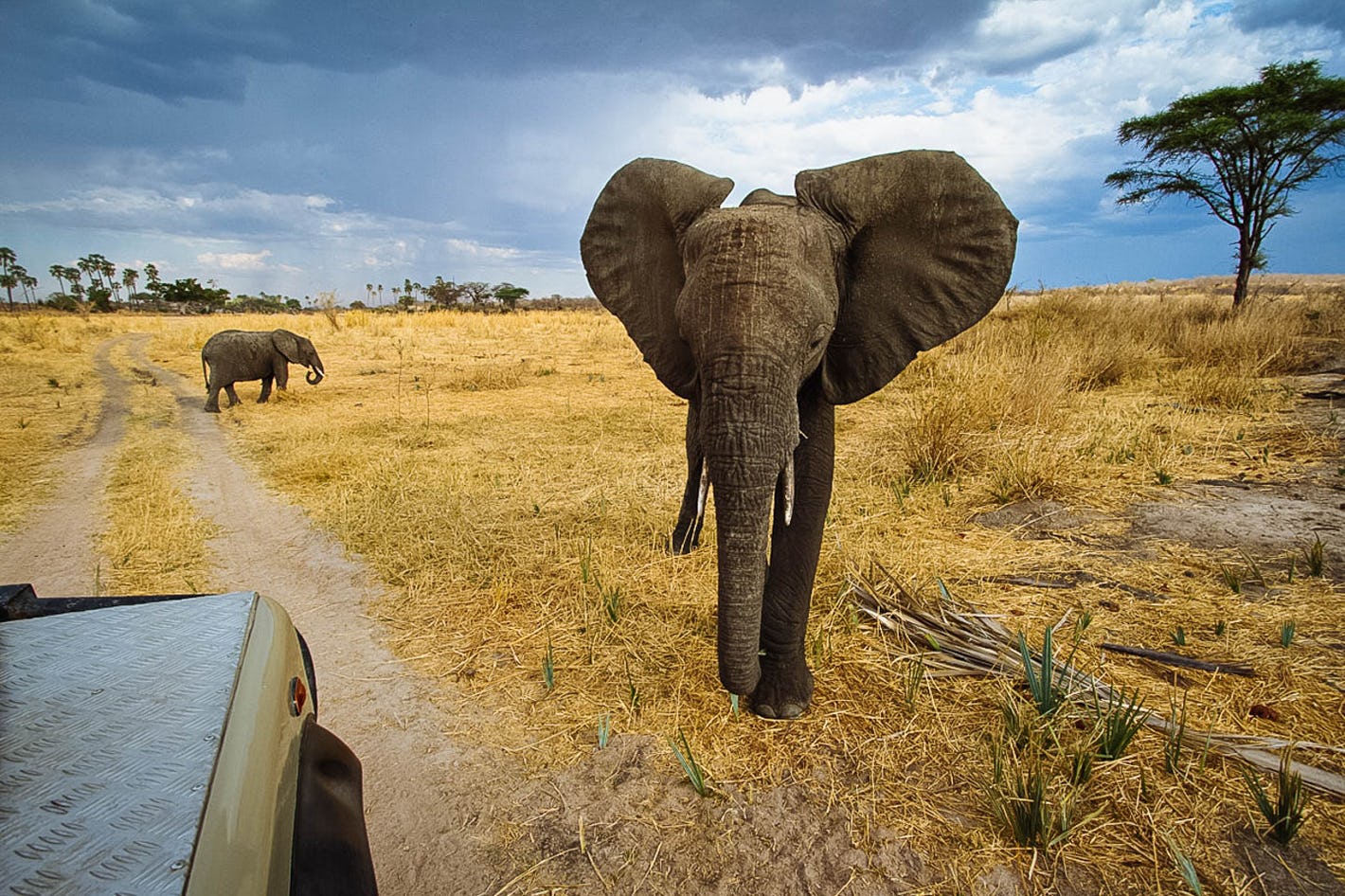
  • One of the largest elephant populations in East Africa
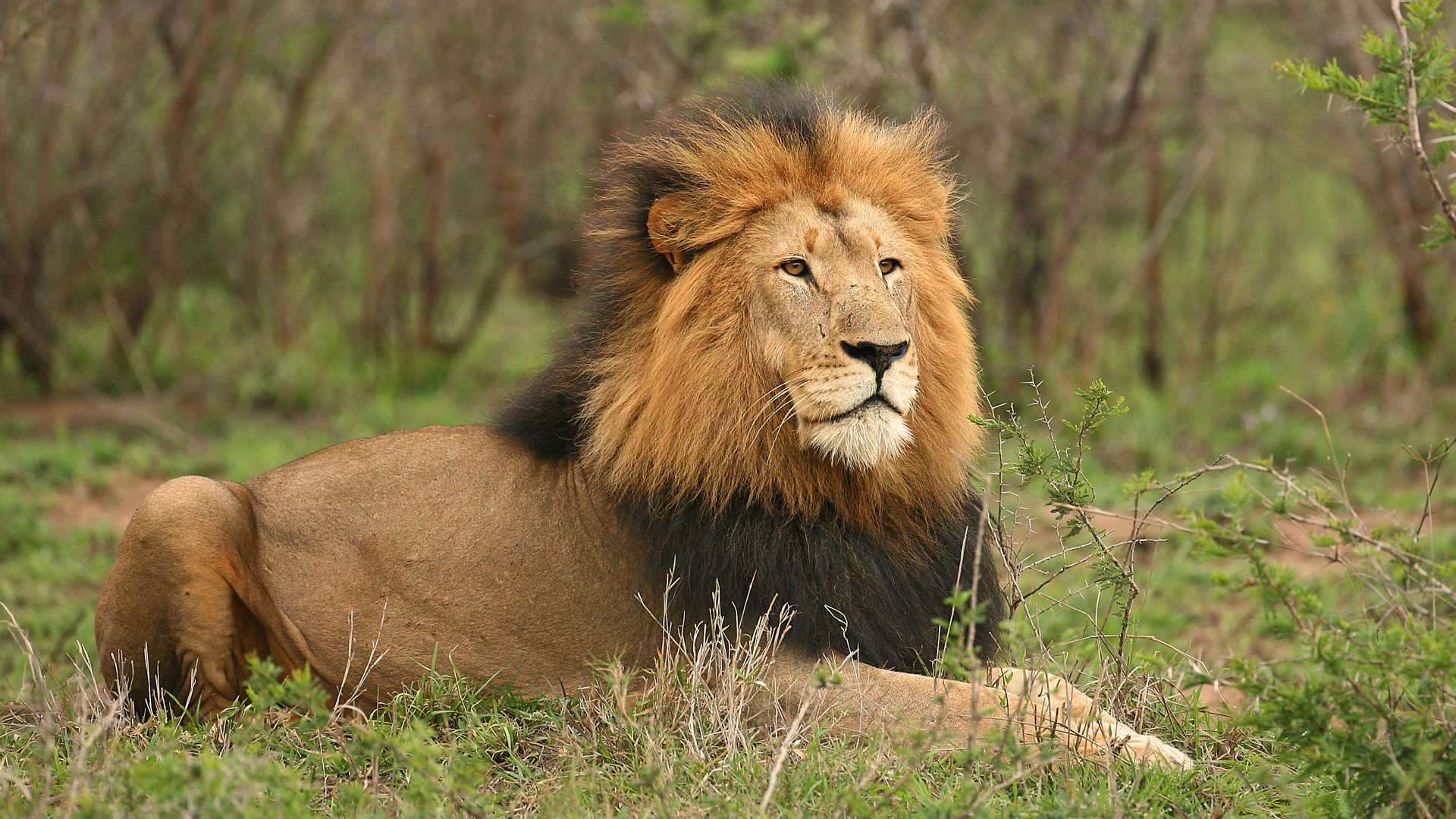
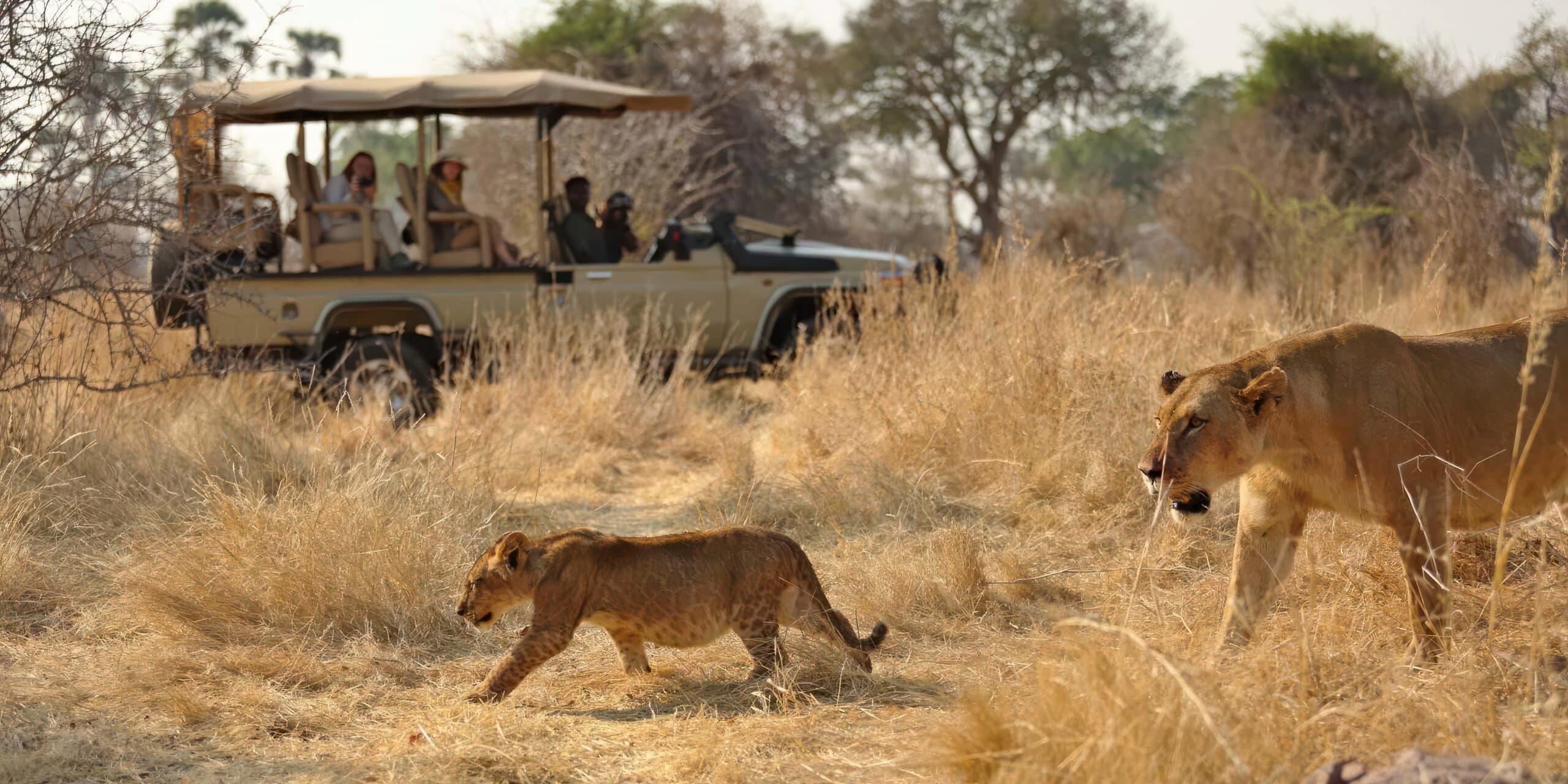
  • Lions
  • Leopards
  • Cheetahs
  • African wild dogs
  • Buffaloes
  • Giraffes
  • Zebras
  • Antelopes (greater kudu, sable, roan)

Birds

  • Over 570 bird species, including:
    • Fish eagles
    • Kingfishers
    • Hornbills
    • Ostriches

Climate

  • Dry season: May–October (best for wildlife viewing)
  • Wet season: November–April

Conservation and History

  • Established as a national park in 1964
  • Expanded in 2008, making it Tanzania’s largest park
  • Protected to conserve river ecosystems and wildlife

Tourism Activities

Visitors can enjoy:

  • Game drives
  • Walking safaris (with armed guides)
  • Bird watching
  • Wildlife photography

Importance

Ruaha National Park is important because it:

  • Protects the Great Ruaha River system
  • Conserves rare and endangered species
  • Maintains ecological balance
  • Represents true wilderness safari experiences

Fun Facts

  • Largest national park in Tanzania
  • Known for large lion prides
  • Less crowded than northern parks