Katavi National Park

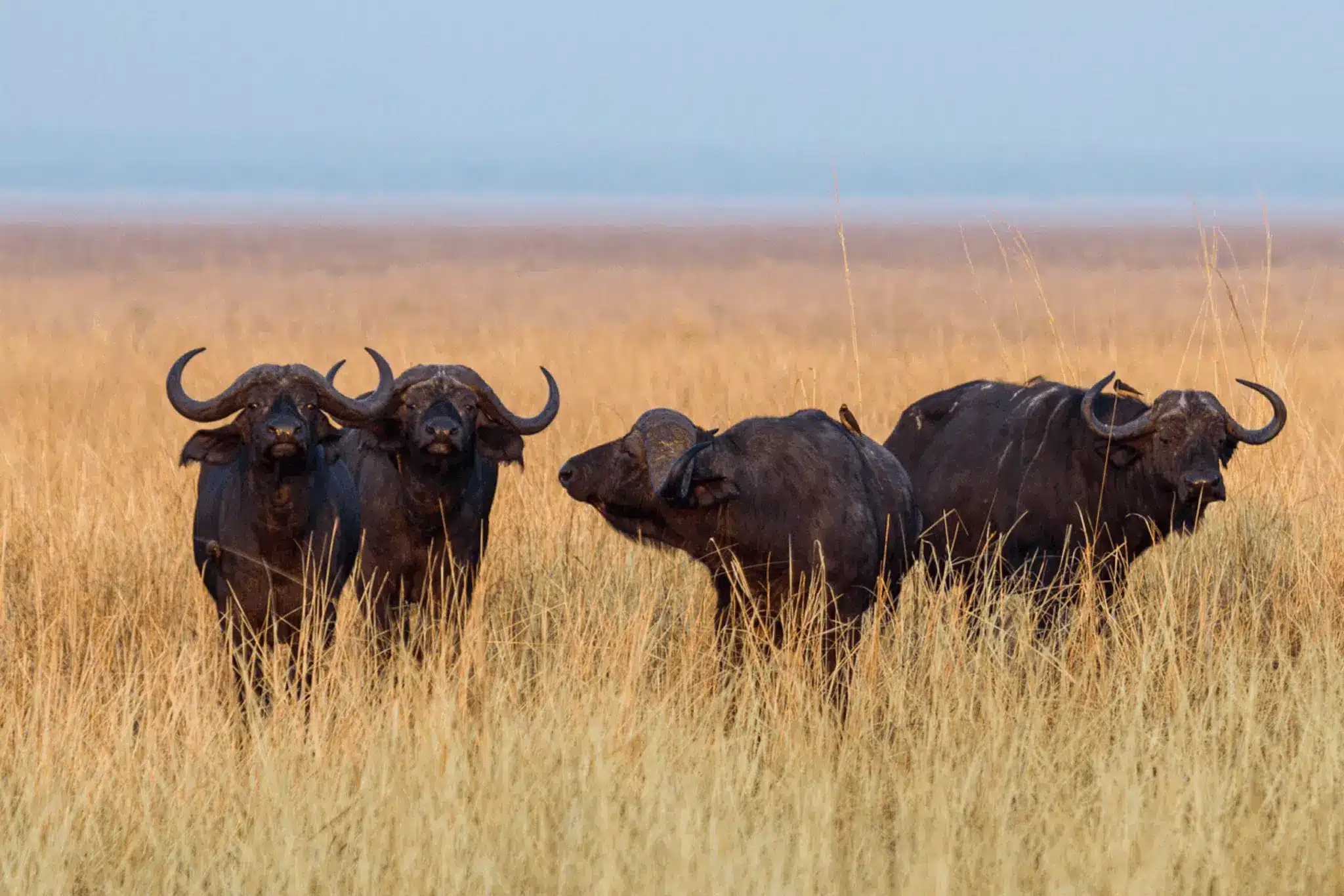
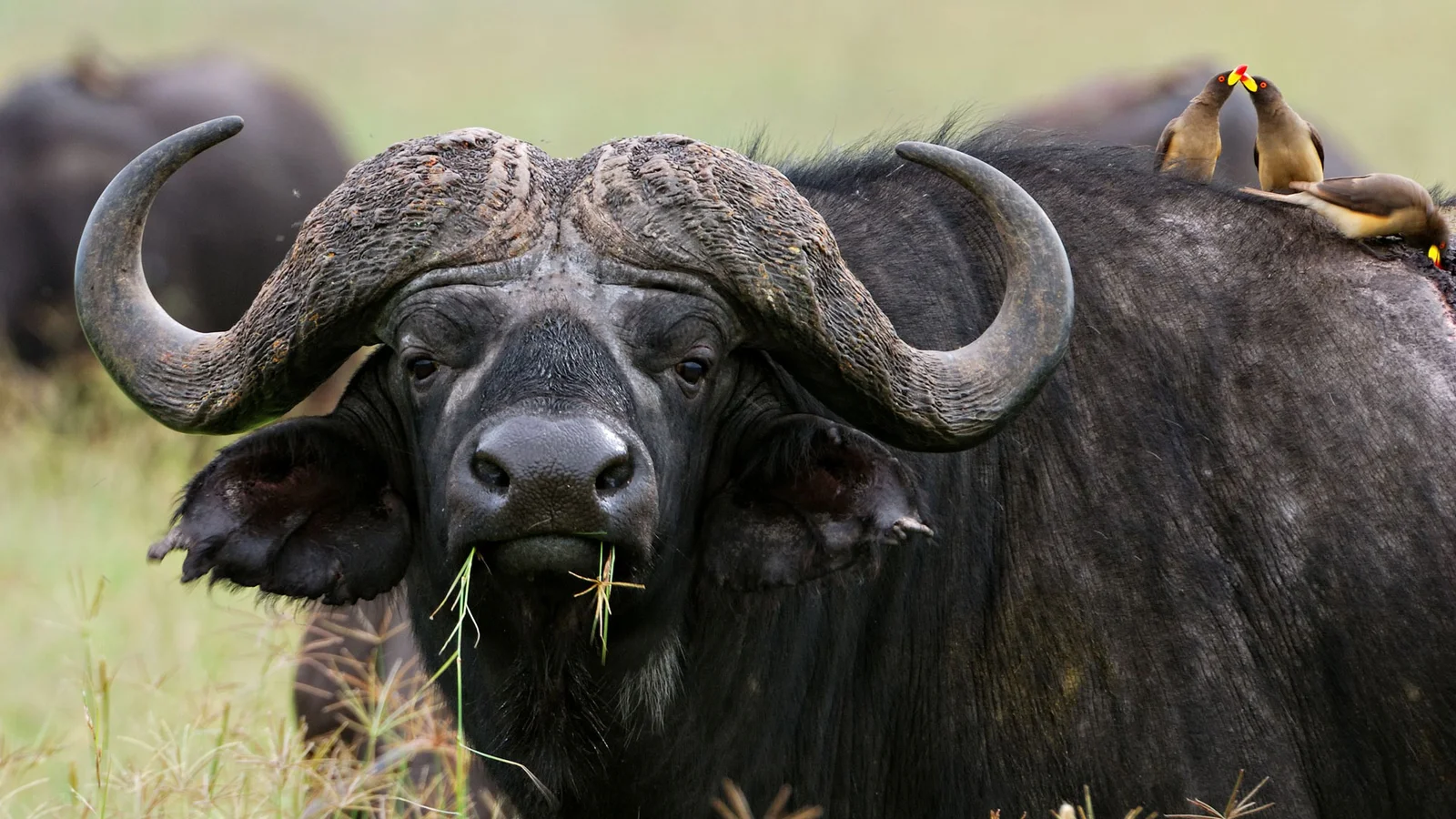
Katavi National Park is one of Tanzania’s largest, wildest, and least visited national parks. It is famous for its huge herds of buffalo, large hippo populations, and a true wilderness safari experience with minimal human presence.

Location

  • Country: Tanzania
  • Region: Western Tanzania
  • Near Mpanda town
  • Part of Tanzania’s western safari circuit
Size

  • Covers approximately 4,471 square kilometers

Landscape and Physical Features

Katavi National Park is characterized by:

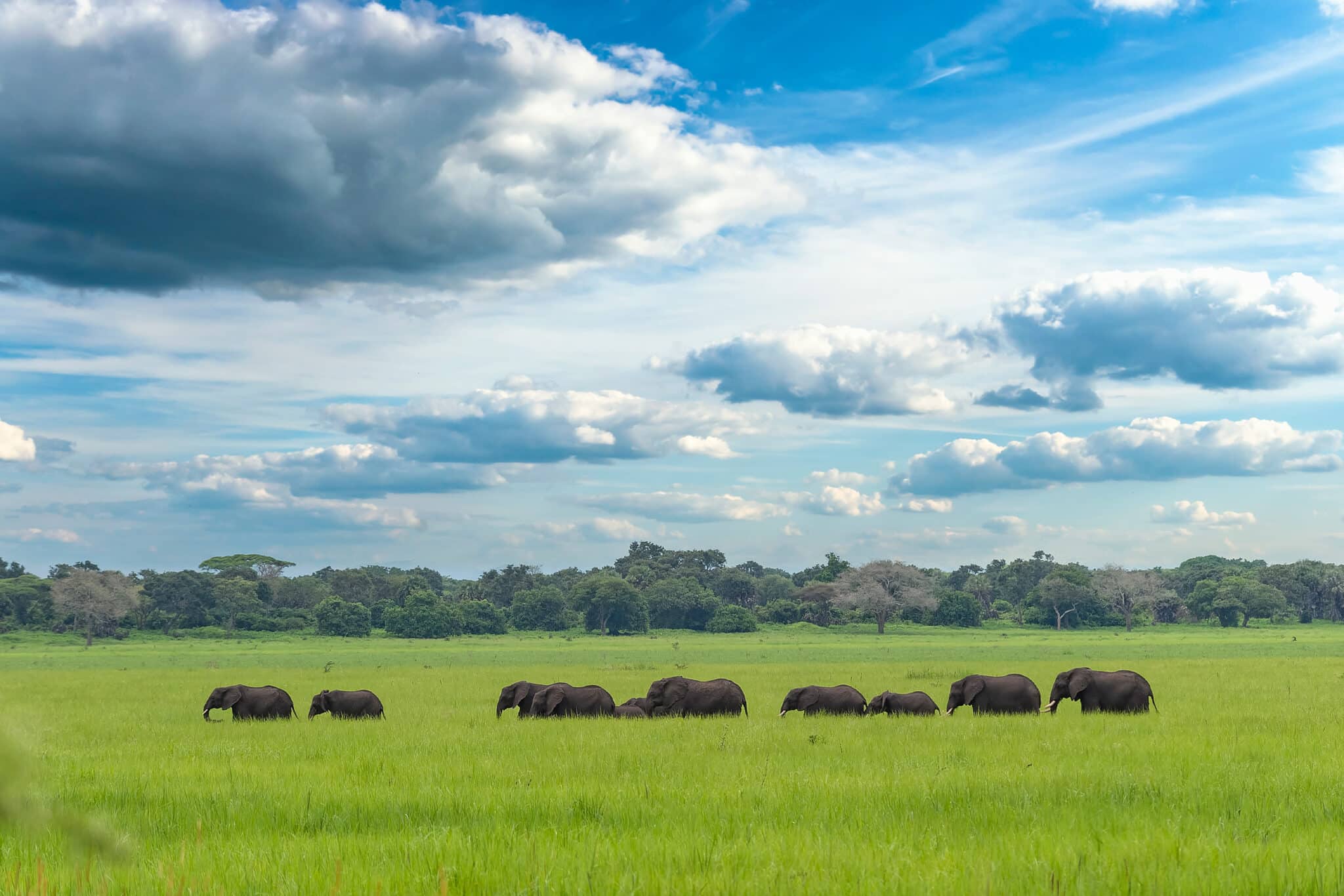
  1. Open floodplains (Katuma River floodplain)
  2. Seasonal lakes – Lake Katavi and Lake Chada
  3. Miombo woodlands
  4. Rivers and swamps

Wildlife

Mammals

  • Very large herds of buffaloes (thousands)
  • Elephants
  • Lions
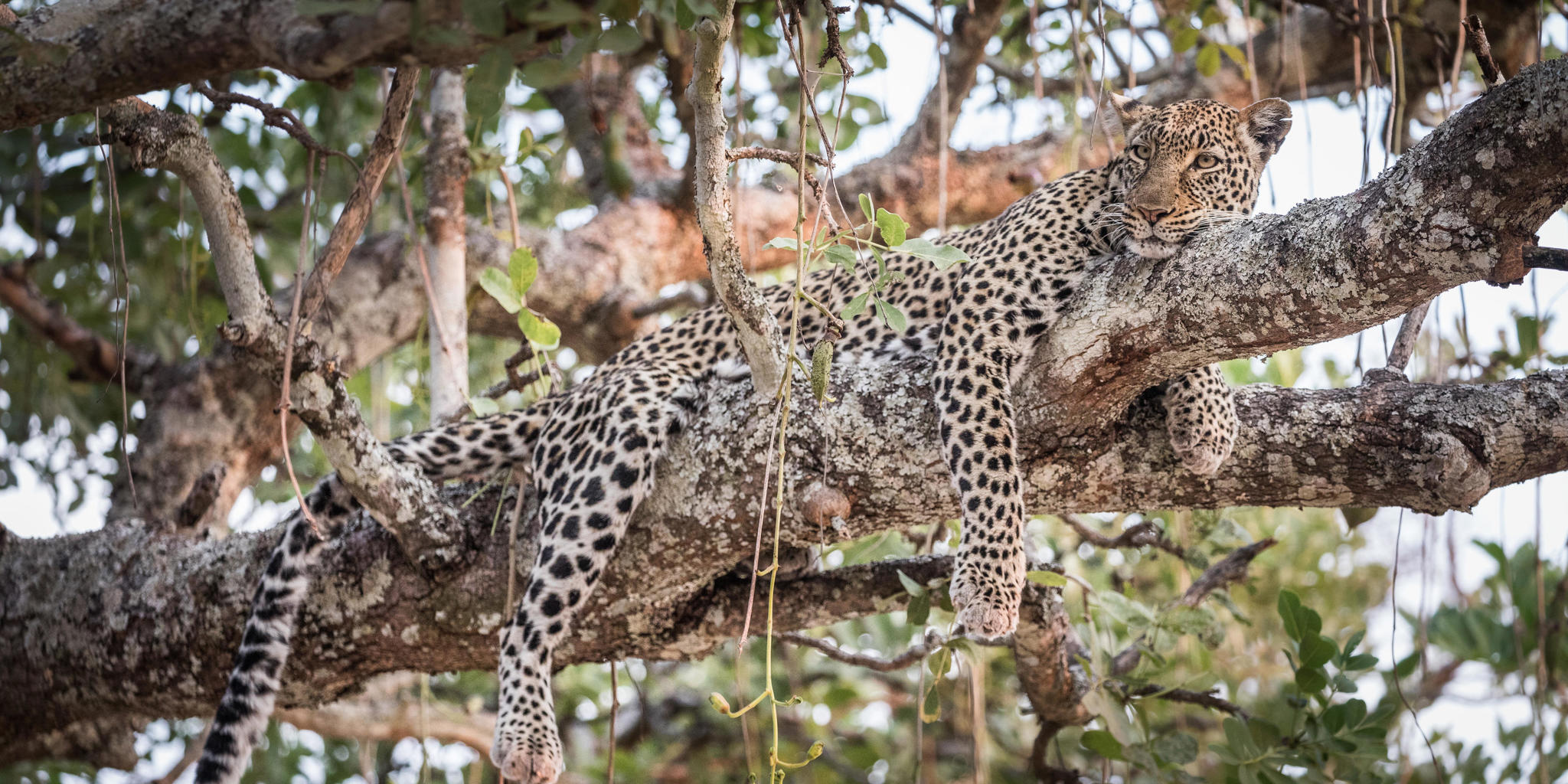
  • Leopards
  • Cheetahs
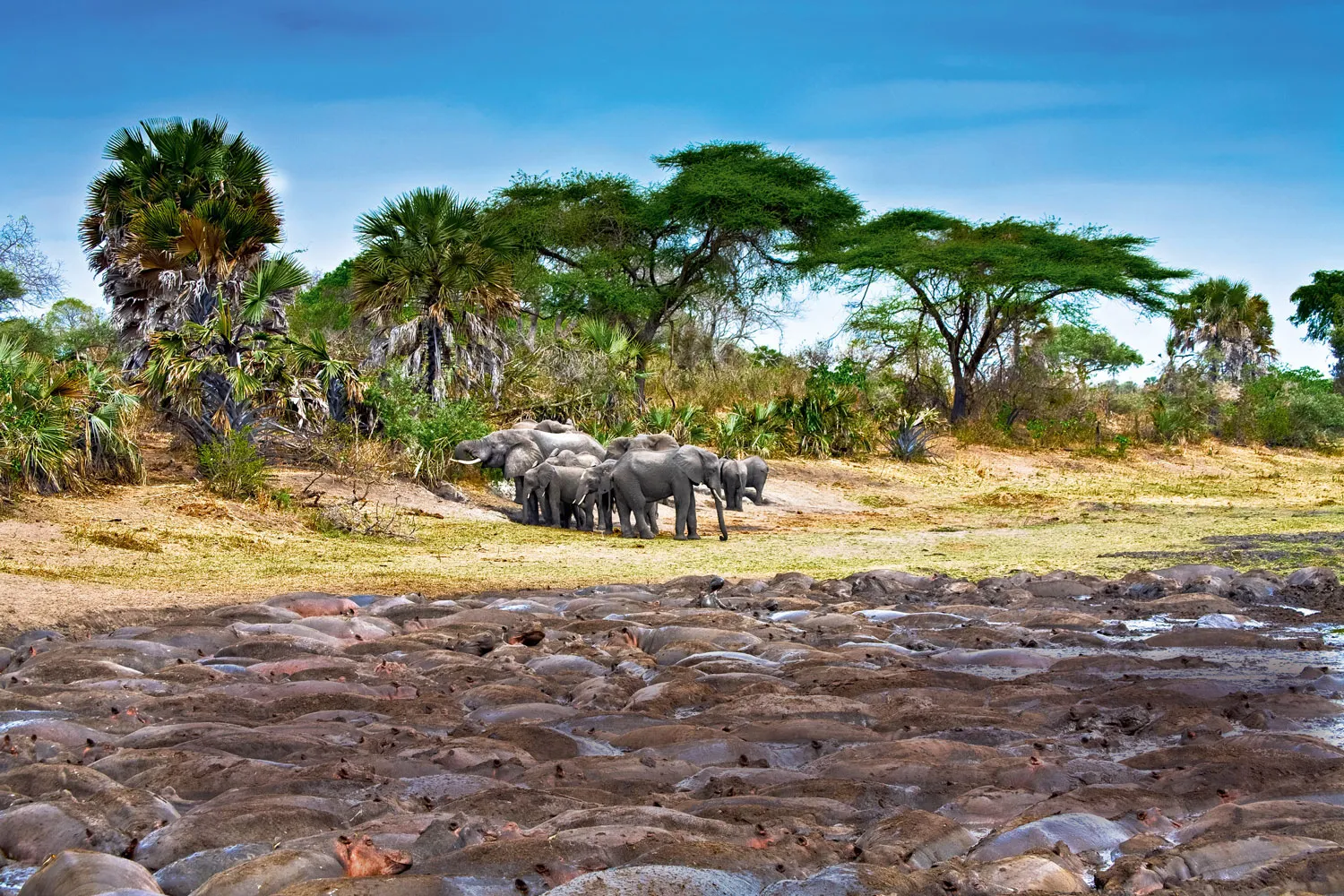
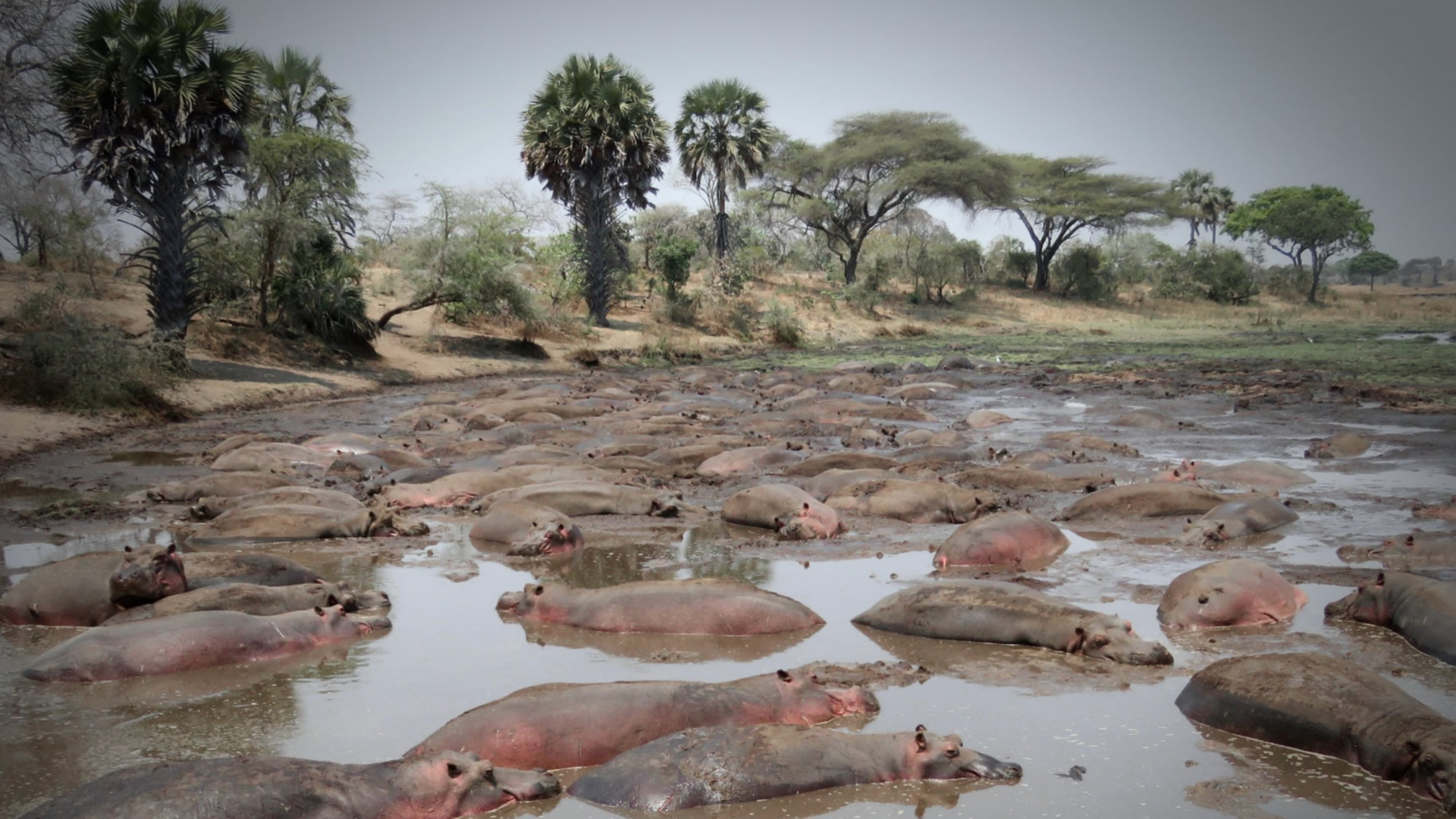
  • Hippos (thousands in the dry season)
  • Crocodiles
  • Giraffes
  • Zebras
  • Antelopes (roan, sable)

Birds

  • Over 400 bird species, including:
    • Storks
    • Herons
    • Fish eagles
    • Kingfishers

Climate

  • Dry season: May–October (best wildlife viewing)
  • Wet season: November–April

Conservation and History

  • Established as a national park in 1974
  • Protected to conserve floodplain ecosystems and wildlife

Tourism Activities

Visitors can enjoy:

  • Game drives
  • Walking safaris (with armed guides)
  • Bird watching
  • Wildlife photography

Importance

Katavi National Park is important because it:

  • Preserves one of Africa’s last untouched wilderness areas
  • Supports massive herbivore populations
  • Conserves rare and endangered species
  • Offers authentic, uncrowded safaris

Fun Facts

  • One of the least visited parks in Tanzania
  • Known for intense predator–prey interactions
  • Hippos crowd into shrinking waterholes during the dry season